
Polypharmacy (taking multiple medications, usually as part of chronic therapy) is becoming increasingly common among the population. Taking two or more medications to manage chronic illnesses is no longer the exception, but the rule. Chronic conditions such as high blood pressure, diabetes, and high cholesterol are often interconnected — in fact, one frequently leads to another. As I’ve previously written, poor diet and lack of physical activity can lead to obesity and high blood pressure, which are often associated with elevated cholesterol levels and, eventually, high blood sugar and diabetes. This, in turn, leads to the simultaneous use of multiple medications.
Some medications work well together, while others are not well tolerated or even contraindicated.
For example, lisinopril and valsartan, both used to treat high blood pressure, should not be taken together. Physicians typically prescribe either one or the other. On the other hand, a common combination like amlodipine (for high blood pressure) and simvastatin (for lowering cholesterol) can sometimes cause muscle pain. In such cases, it’s recommended to lower the dose of simvastatin to under 20 mg or consider switching to a different statin, such as atorvastatin.
Sometimes, you may be prescribed a drug for an acute condition, like pain or an antibiotic. However, these may not interact well with your regular medications. For instance, if you’re taking anticoagulants (blood thinners), ibuprofen is not the best choice for pain relief. Likewise, if you are prescribed a macrolide antibiotic like clarithromycin while taking amiodarone (a heart medication), your pharmacist will likely intervene and recommend an alternative antibiotic.
These types of interactions are well-known to pharmacists and doctors, and your therapy typically goes through multiple layers of checks before being approved. However, what is less often discussed are drug-food interactions.
The food you eat can cause numerous health issues (gout, diabetes, hypertension), but it can also interfere with how your medication works—reducing or altering its effect.
Here are five of the most common drug-food interactions and how to avoid them:
1. Milk and Antibiotics
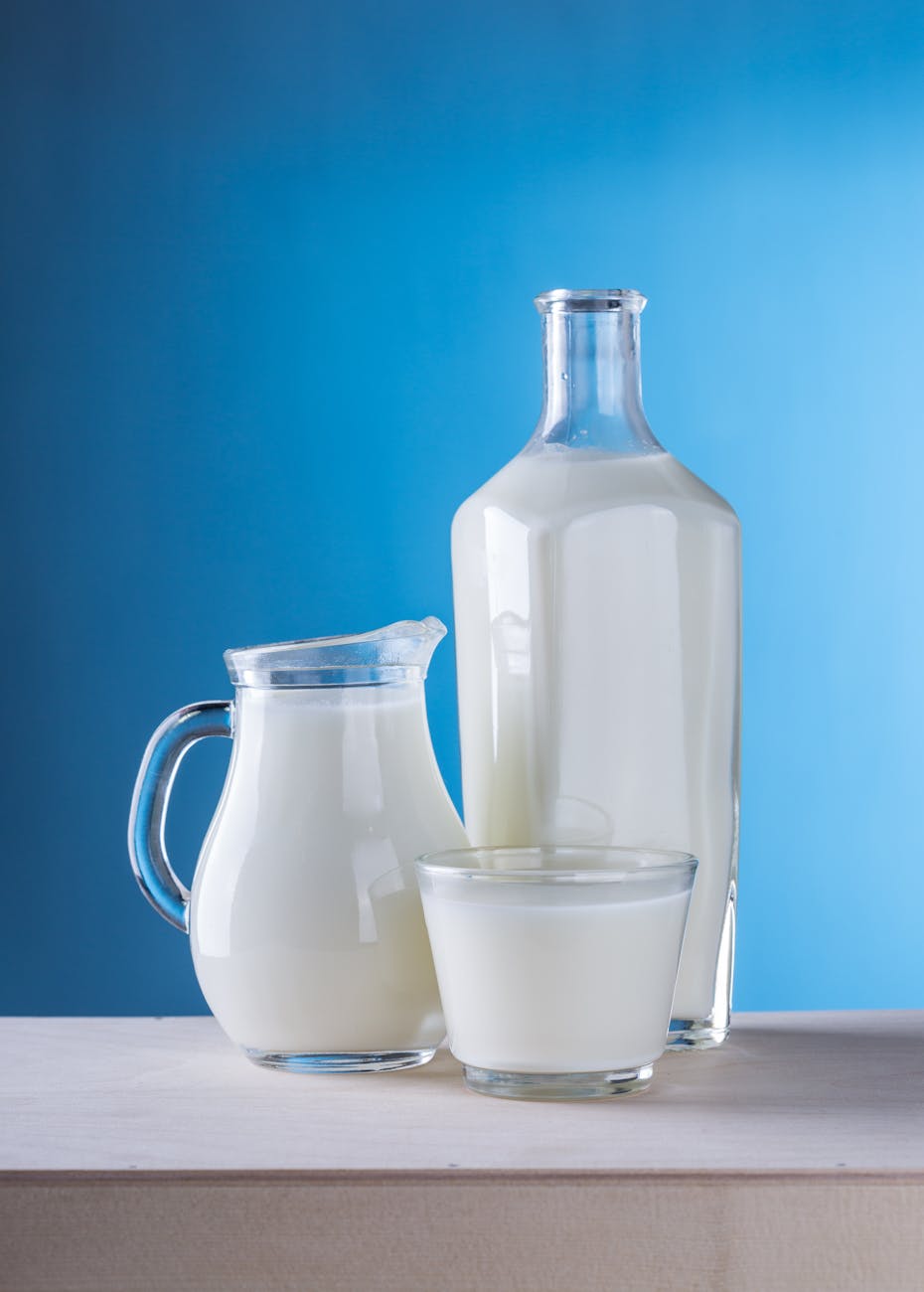
Some antibiotics, such as fluoroquinolones and tetracyclines, can bind with calcium found in milk and dairy products (or other calcium-rich foods) to form chelates — compounds that are poorly absorbed into the bloodstream. This drastically reduces the antibiotic’s effectiveness.
For example, ciprofloxacin, widely used to treat urinary infections, may not work properly if taken with milk, leading to complications or even antibiotic resistance.
Solution: Avoid milk and dairy products while on antibiotics, or ensure at least a two-hour gap between them. If that’s not feasible, ask your doctor for a different antibiotic.
2. Grapefruit and Statins
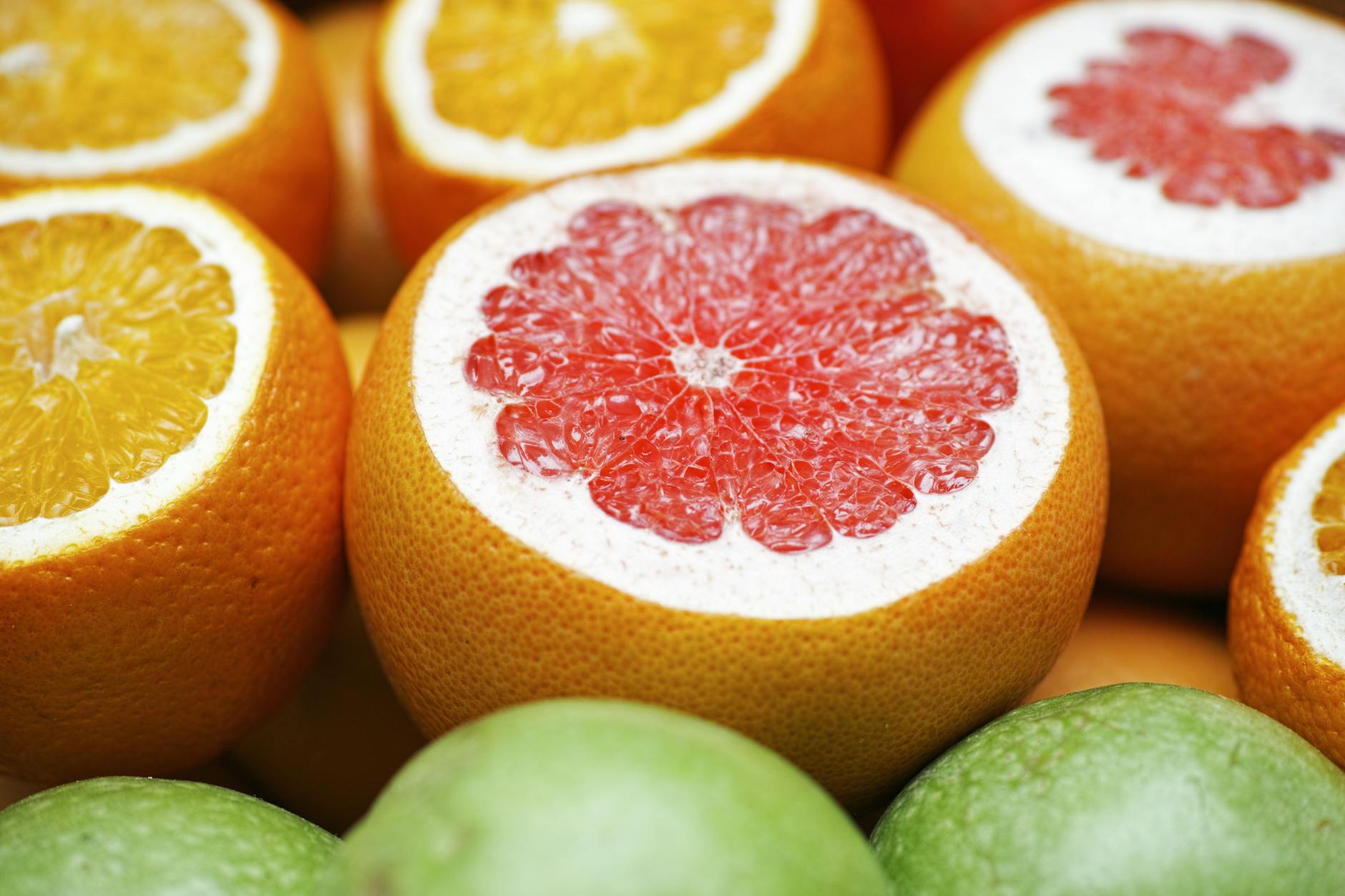
You may come across grapefruit-based supplements promoted for cholesterol-lowering effects — however, grapefruit’s actual benefit on lipid levels is negligible.
The problem arises when grapefruit is taken together with real cholesterol-lowering medications like statins.
All substances taken orally must pass through the first-pass metabolism in the liver, which acts as a detox system. Key enzymes in this process include the CYP3A4 group. Grapefruit inhibits these enzymes, causing statins to remain in the bloodstream longer, potentially leading to muscle pain or in severe cases, rhabdomyolysis (muscle breakdown).
Solution: Avoid grapefruit while on statins. Other citrus fruits like lemons and oranges are safe.
3. Broccoli and Warfarin
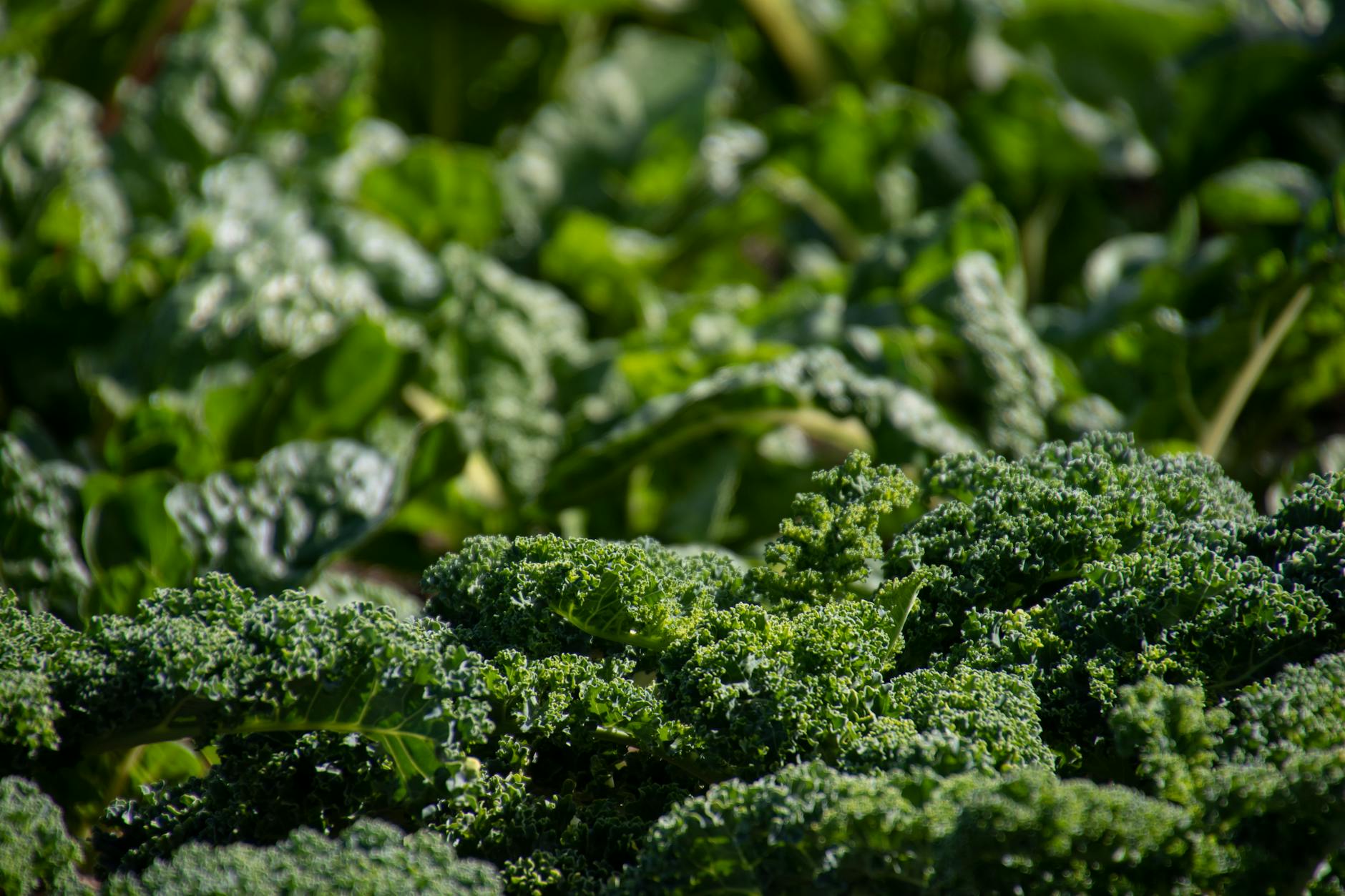
Though I’d recommend broccoli in 99% of cases, patients taking warfarin or other vitamin K-dependent anticoagulants (e.g., phenprocoumon, acenocoumarol) should avoid it, as well as other vitamin K-rich foods like spinach and kale.
Warfarin works by inhibiting vitamin K-dependent clotting factors. If you consume extra vitamin K through your diet, warfarin may become less effective, raising the risk of life-threatening blood clots.
Solution: Newer anticoagulants like rivaroxaban, edoxaban, and apixaban are not dependent on vitamin K. If switching isn’t an option, vitamin K-rich foods must be avoided or very carefully managed.
4. Cheese and Wine with Antidepressants

Aged wines and cheeses (like cheddar or parmesan) must not be consumed with a specific group of antidepressants called MAO inhibitors. The culprit here is tyramine, a substance found in fermented foods (like sauerkraut), aged wines, and expired foods.
MAO inhibitors block the breakdown of tyramine, which can lead to a hypertensive crisis — a sudden, dangerous spike in blood pressure that can be life-threatening.
Solution: Avoid tyramine-rich foods if you’re taking MAO inhibitors.
5. Alcohol and Metformin
Metformin is the first-line medication for type 2 diabetes, known for controlling blood sugar levels and aiding in weight loss.
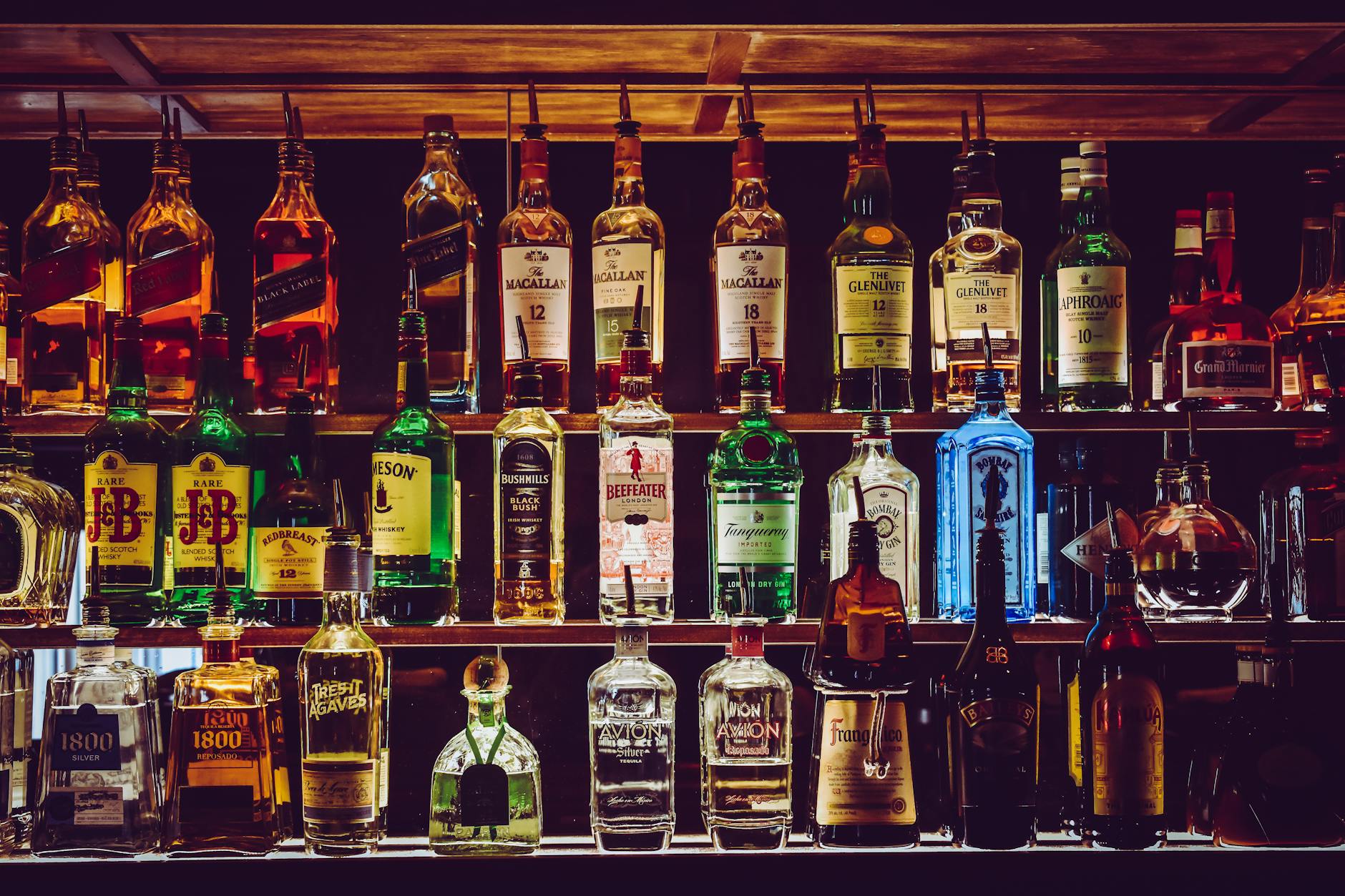
Alcohol is generally not recommended for diabetics due to its sugar content, but there’s another reason to be cautious: binge drinking while on metformin can lead to lactic acidosis — a buildup of lactic acid in the body, potentially causing organ failure or death.
Solution: Alcohol is largely off-limits for people on metformin. If consumed, it must be in small, controlled amounts.
Conclusion
To ensure optimal therapeutic outcomes, it’s crucial to choose not only the right medication or combination of drugs but also the right diet that won’t cause unwanted reactions or reduce drug effectiveness.
That’s why nutrition science is becoming increasingly important in the education of healthcare professionals — especially doctors and pharmacists.


Leave a Reply