
A few days ago, I asked a question on my Instagram profile: “When do you most often experience cravings?” Over 80% of respondents answered – in the evening. You know how it goes: you’ve been disciplined all day, eating only what you planned, staying within your calorie budget, tracking your macros, and then sometime after 7 p.m. – everything falls apart. The whole plan is at risk, and you reach for snacks or sweets and often overeat, undoing an entire day’s effort. Have you ever wondered why it’s so hard to resist in the evening and why cravings tend to appear (mostly) at night?
There are several factors at play here – most of them psychological, emotional, or hormonal. Also, the way we plan our day has a big impact on how we deal with cravings in the evening. This doesn’t mean cravings can’t happen during the day – sometimes we just can’t resist the office sweets or a slice of cake our grandma made. However, not only my poll but also other studies show that our urge to snack (especially on salty or sweet foods) increases in the evening.
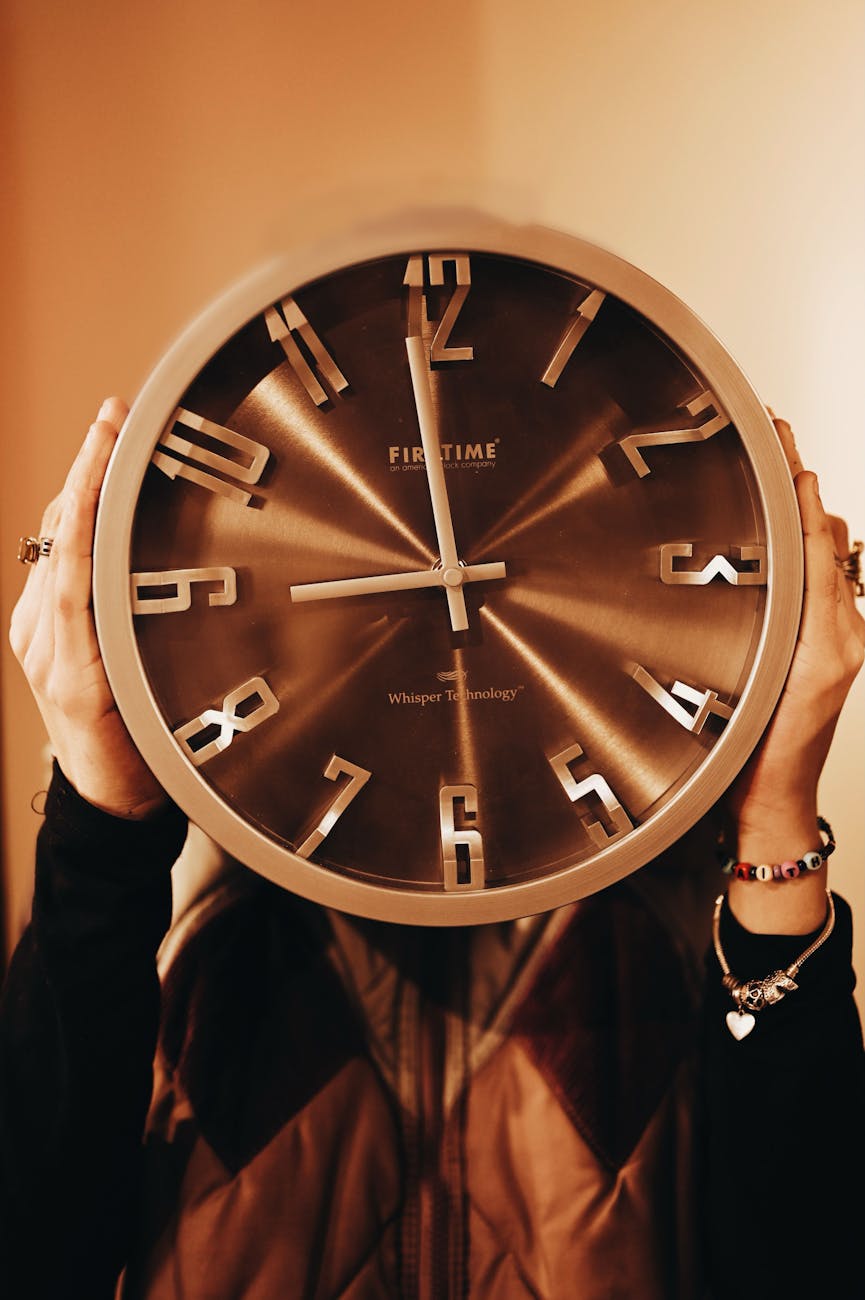
1. Biological rhythm
Our biological rhythm (the so-called circadian rhythm) affects our hormones. Two key hormones are involved in hunger regulation: ghrelin, which signals hunger, and leptin, which signals fullness. Ghrelin is typically released in the evening because the body knows that sleep means a long period without eating. On the other hand, leptin is released to help prevent hunger from waking us during the night. Most people don’t wake up at 3 a.m. needing a meal, right?
This system is deeply rooted in our genetics. When food wasn’t always available, the body encouraged us to eat what we had before it spoiled overnight – and this still shows in our hormone patterns today.

2. Low energy, low willpower
Most people function best in the morning – especially after a good night’s sleep. Workouts, demanding tasks, and focused work are often easiest in the early hours because our energy is high. As the day progresses, our focus and willpower decline. You’ve probably said “I’ll deal with this tomorrow” more than once by the afternoon.
That’s not a coincidence. Fatigue weakens the prefrontal cortex, which controls focus, decision-making, and self-control. In its place, our emotional and instinctive brain takes over, leading to impulsive choices – like ordering fast food or raiding the pantry.
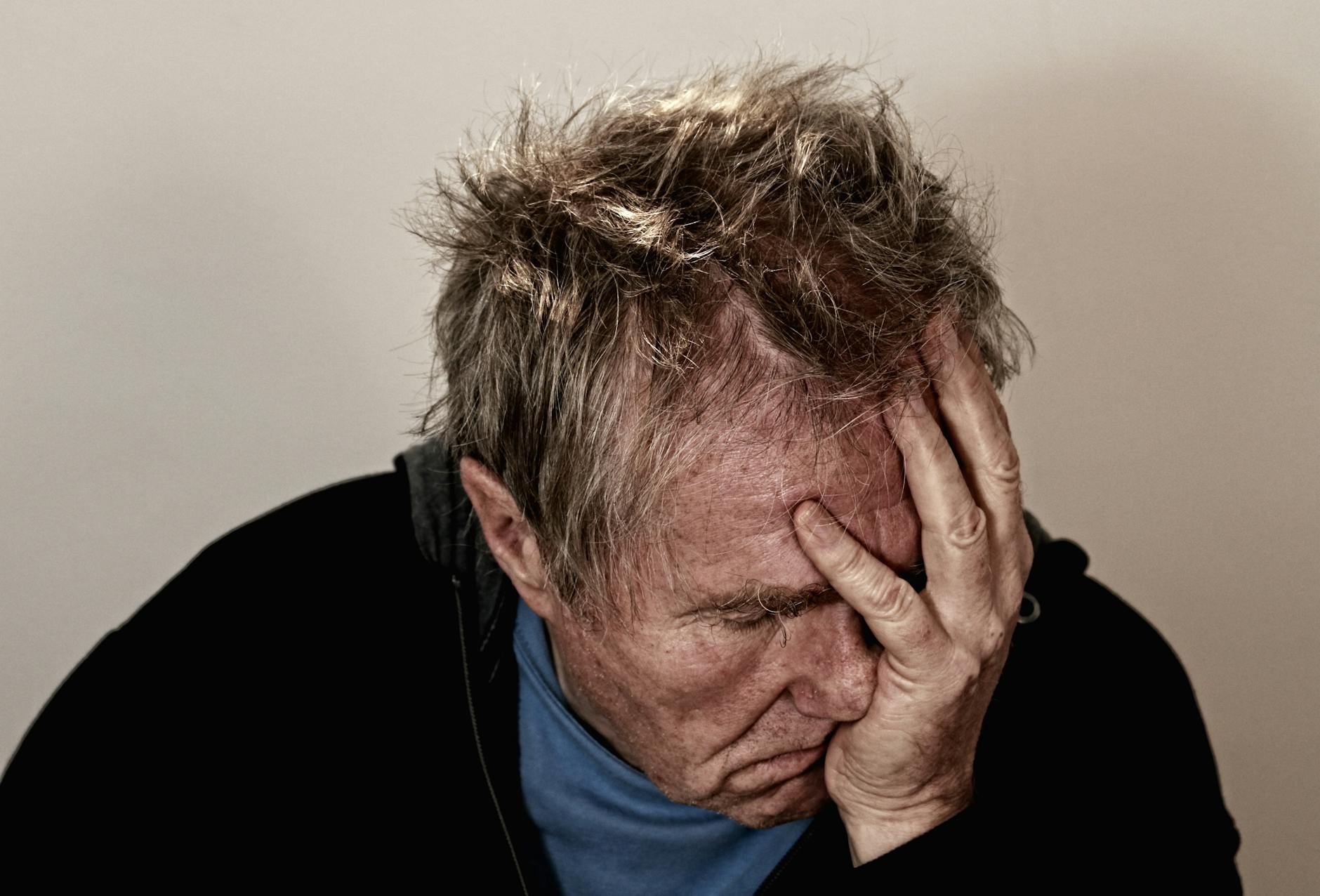
3. Emotional triggers and stress
By the evening, most of us are mentally and physically drained. After a long day of meetings, clients, or physical labor, the brain starts craving a reward. That inner voice says, “I deserve this” – and the need for calorie-dense food begins. Sweets, snacks, and fast food give a quick dopamine hit – the brain’s feel-good hormone.
This creates a feedback loop:
Stress → Snack → Dopamine → Repeat.
As I explained in my dopamine post, this constant reward-seeking behavior becomes a habit. The body craves more and more dopamine, and the result is often weight gain, poor focus, lack of physical fitness, and even emotional difficulties.

4. Skipping meals
Many people skip meals for various reasons or simply eat too little during the day. Intermittent fasting is very popular now, and many versions recommend skipping breakfast or not eating until noon. For many, that’s too late. A calorie deficit means reducing calories throughout the day, but it doesn’t mean you should starve or skip meals entirely.
For example, if your maintenance is 2000 kcal and you want to lose weight, you might aim for 1600 kcal. But if you only eat 500 during the day and 700 at dinner, that’s only 1200 – and your body knows it’s missing something. That leads to rebound hunger – and cravings that make you overshoot your deficit with snacks.

5. Environmental cues and habits
You sit on the couch, turn on your favorite series – and probably grab some chips, soda, or beer. Your brain links certain activities with food:
TV → Snack.
The first few times it may seem harmless. But eventually, it becomes a habit – and your brain builds neural pathways. Now every time you sit on the couch, your brain expects snacks. And saying no becomes harder and harder.
How to stop evening cravings:
To reduce cravings, you first need to remove the triggers that cause them:
- Eat enough during the day – Especially focus on protein, which helps with satiety. Hunger can still occur, but if you’ve eaten well, ghrelin won’t spike as easily – even in a calorie deficit.
- Create an evening routine that isn’t built around food – Try walking, light exercise, reading, or a warm bath instead.
- Practice mindful eating – Before eating anything, ask: “Am I really hungry?” If you just had dinner 30 minutes ago, the answer is probably no.
- Limit “trigger foods” at home – Don’t keep tempting snacks within reach. If you must have something, make it less convenient (e.g., plain popcorn you need to cook). Delete food delivery apps if needed.
- Evening cravings aren’t a weakness – They’re the result of complex biological, emotional, and behavioral patterns. Fatigue, stress, skipped meals, and subtle habits all lead to that one moment where you stare into the fridge “just to look.”
- But here’s the good news: cravings can be managed. With smart planning, awareness, and new evening rituals, you can reduce the risk of sabotaging your entire day because of a single cookie.
Next time you feel the urge for chips at 9:30 p.m. – pause. Breathe. Ask yourself:
“Am I truly hungry, or just tired and seeking comfort?”


 The Hungry Pharmacist
Leave a reply to Valerie Cancel reply