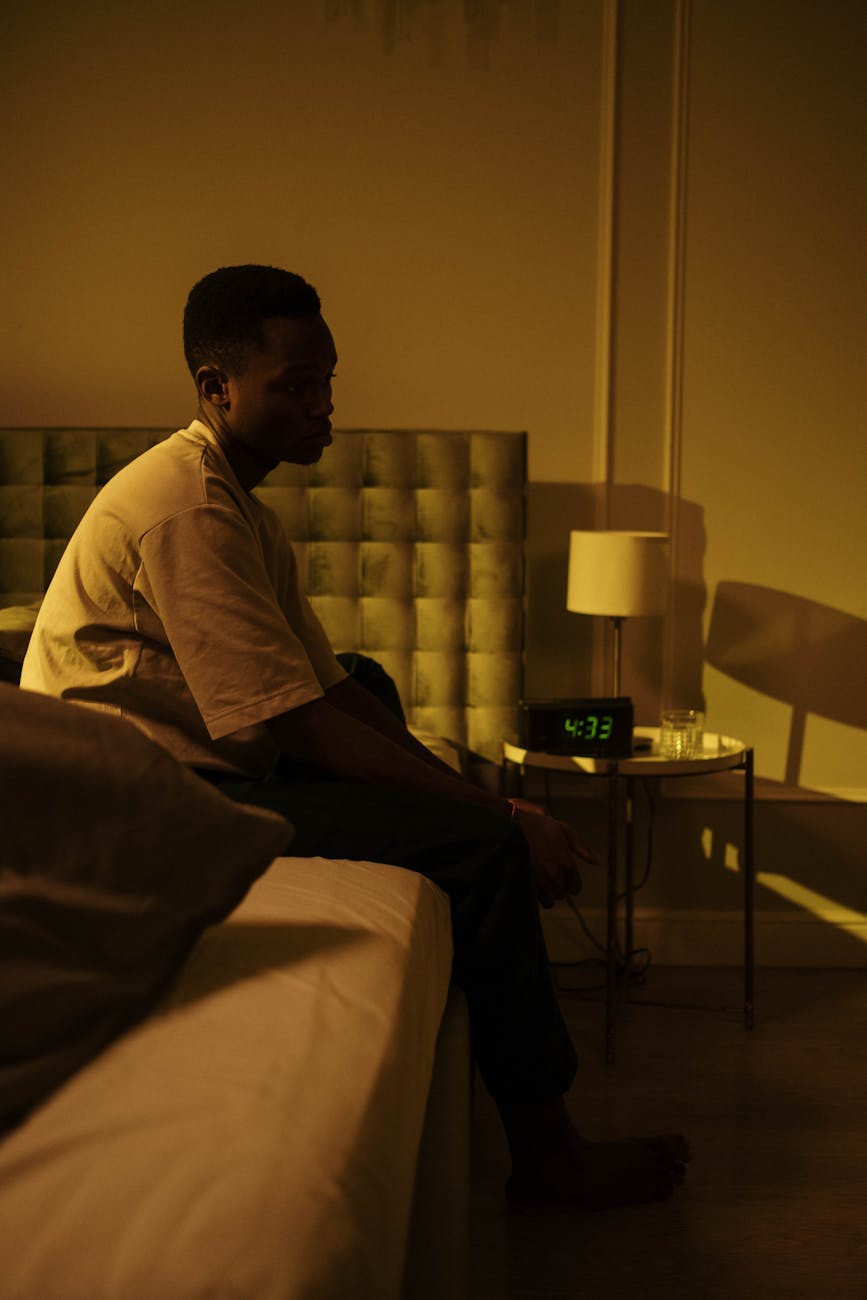
Sleep plays a crucial role in muscle growth, as well as in weight loss and fat reduction. Have you ever embarked on a weight-loss journey or tried to build a stronger physique, only to find that your progress isn’t going as planned? One possible reason could be a lack of sufficient sleep.
How Much Sleep Does a Person Need?
The amount of sleep required depends on age. Children generally need more sleep—newborns sleep for about two-thirds of the day, while teenagers require 8–10 hours. For adults, the minimum is 7 hours to function properly. As we can see, during the most intensive developmental years, we tend to sleep more.
The greatest development in our lives occurs during early childhood. By the age of three, children acquire incredible skills—going from being entirely dependent to sitting, standing, walking, chewing, learning a language, and recognizing objects. And they do all this while sleeping more than half of their time.
According to Matthew Walker, a professor at the University of California, Berkeley, no one can function normally on six hours of sleep or less. Even if you feel fine, underlying issues may develop over time, including weight gain, forgetfulness, irritability, and reduced cognitive function.
1. Sleep is Key for Muscle Growth and Recovery
Muscles don’t grow during training—they grow during rest, and there is no better rest than sleep. Just like in young children, adults experience higher secretion of human growth hormone (HGH) during sleep. If you’ve trained and consumed enough protein, this hormone supports protein synthesis and muscle growth. Less sleep leads to decreased HGH production, resulting in a lower rate of protein synthesis.
Another important hormone for muscle development is testosterone, which is also regulated by sleep. According to Matthew Walker, men who sleep only 5–6 hours per night have testosterone levels equivalent to someone 10 years older!
Important: The use of testosterone or other anabolic steroids without medical supervision is not recommended.
2. Lack of Sleep Increases Cortisol Levels
Cortisol, known as the stress hormone, is produced by the adrenal glands and peaks in the morning to help wake us up. However, when we don’t get enough sleep, cortisol levels rise beyond normal. Elevated cortisol levels lead to catabolic processes (muscle breakdown), reducing protein synthesis and slowing muscle growth.
Additionally, high cortisol can cause:
- Increased water retention
- Increased appetite (especially cravings for sweets)
- Fat accumulation, particularly around the abdomen
3. You Won’t Lose Weight Without Enough Sleep
As we’ve seen, hormone balance depends on sleep—not only testosterone and cortisol but also two key hormones responsible for hunger and satiety: ghrelin and leptin.
- Ghrelin (the hunger hormone) is produced in greater amounts when we lack sleep, increasing cravings, particularly for high-calorie foods rich in carbs and fats.
- Leptin (the satiety hormone) signals when we are full. With insufficient sleep, leptin production decreases, leading to less control over portion sizes and meal frequency.
Additionally, staying awake longer increases the likelihood of unnecessary snacking.
4. Sleep Improves Workout Performance
Do you feel more energized during workouts when you’re well-rested? Or do you even skip workouts due to fatigue? Getting enough sleep enhances:
- Strength and endurance
- Focus and concentration
- Overall workout quality
- Recovery and injury prevention
How to Improve Sleep?
Chronic and acute insomnia are major issues today, but improving sleep hygiene can help establish a healthier routine. Here are some effective methods:
Go to bed at the same time every night – Establish a fixed sleep schedule (e.g., 11:00 PM–7:00 AM) so your brain learns when it’s time to sleep.
Avoid eating large meals, caffeine, and excessive liquids before bed – Stop eating at least two hours before sleep to allow proper digestion. Avoid caffeine in the late afternoon, as it is a stimulant and diuretic.
Limit alcohol before bed – Although alcohol can make you feel drowsy, it negatively affects sleep quality and causes frequent awakenings.
Avoid blue light at least an hour before bed – Phones, TVs, and computers emit blue light, reducing melatonin production (the sleep hormone). Try reading a book instead.
Create a calm environment – Keep your bedroom cool and dimly lit. Reduce noise and avoid bright street lights.
Try relaxation techniques – Meditation, breathing exercises, warm baths, or light stretching can improve sleep.
Consult a pharmacist about herbal sleep aids – Over-the-counter supplements with valerian root, lemon balm, or passionflower can help with sleep without causing dependence.
Seek medical advice if necessary – If sleep problems persist, consult a doctor for further options.
Conclusion
Sleep is the foundation of all fitness goals—whether it’s muscle growth, endurance, VO₂ max improvement, or weight loss. At least 7 hours of sleep per night will help you achieve your desired results.
If you’re struggling with sleep and need personalized advice, leave a comment below or subscribe to my newsletter!

 The Hungry Pharmacist
Leave a reply to How to Prevent Muscle Pain After Training? – The Hungry Pharmacist Cancel reply