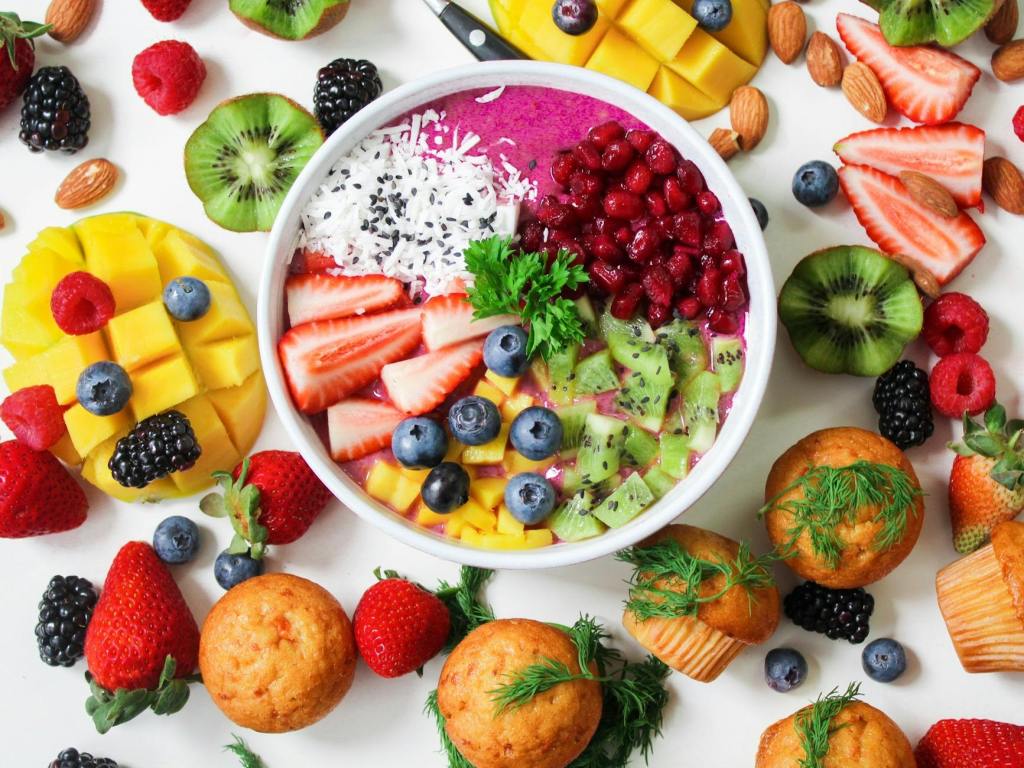
When we think about healthy food or say that we will start eating healthy on Monday, the first image that often comes to mind is a bowl of salad—a lot of salad. But what exactly is healthy food? And is the food that the media or large supermarket chains present as “healthy” actually good for us?
Most of us have a general idea of what is healthy: vegetables and fruits are good, while hamburgers and fries are not. But is everything in life really that simple? Is it all black and white, or is there a vast grey area with many shades? How aware are we of what is truly healthy around us, and how often do we accept things as healthy when they are not?
In this article, I have gathered some of the most common myths about healthy eating:
1. Fats Are Unhealthy and Should Be Avoided
Let me state right away: there are no unhealthy macronutrients. Fats, proteins, and carbohydrates are not inherently unhealthy, but there are differences among them.
Fats are an essential part of our bodies, playing a role in hormone production, immune function, and energy supply. However, fats were heavily stigmatized in the mid-20th century when studies (later revealed to be funded by the food industry) linked fat consumption to heart disease. For years, fats were blamed for heart attacks and cardiovascular issues. While there is some truth to this, the key factor is the type of fats we consume.
Trans fats, found in fried fast food like French fries, chips, and highly processed baked goods (e.g., donuts), can increase “bad” cholesterol (LDL, VLDL) and contribute to atherosclerosis, leading to high blood pressure or even heart attacks. Saturated fats from animal sources (such as fatty meats) can have similar effects when consumed in excess.
On the other hand, fats from plant-based sources, such as avocados, olives, olive oil, and cashew nuts, are rich in unsaturated fatty acids, which raise “good” cholesterol (HDL) and reduce the risk of cardiovascular disease.

2. Everything Labeled as “Light” or “Low-Fat” Is Healthy
The fat hysteria has led to a flood of “low-fat” products in stores. But just because something is labeled as “light” or “low-fat” does not mean it is lower in sugar or calories.
Fats naturally occur in yogurt and help us feel full while aiding the absorption of vitamins A, D, E, and K. When fats are removed from yogurt, sugar or starch is often added to compensate for taste and texture. As a result, low-fat yogurt can contain more sugar and calories, making it less healthy.
Fats also help us stay full longer, while sugars in yogurt provide empty calories that make us crave more food.
3. Carbohydrates Are Bad and Make You Gain Weight
All food can lead to weight gain if consumed in excess, meaning when we eat more calories than we burn. However, many people notice that cutting out sugar leads to weight loss. Why is that?
First, carbohydrates retain water in the body, so part of our weight comes from water retention. But that’s not the most important factor.
Can you imagine eating more than 500 grams of meat in one sitting? Some people might, but it’s rare, and we don’t usually crave another serving an hour later. The same goes for drinking two liters of yogurt. However, eating an entire chocolate bar, a pack of Oreo cookies, drinking two cans of Coke, and finishing a bag of chips—all in one sitting—is much easier. Even if we’ve already had dinner!
Sugars are highly addictive; they spike blood sugar levels, and once those levels drop, we crave sugar again. Additionally, refined sugars are calorie-dense—small portions pack a lot of calories. A small snack can contain over 500 calories.
Fruits are different due to their fiber content, which is why it’s rare to see someone eat seven apples in one go (which would also amount to around 500 calories). The same goes for bread—it increases appetite more than we realize. So, before blaming sugars for weight gain, we should consider the types of sugars we consume, insulin response, and overall calorie balance.
4. Juices and Smoothies Are Always Healthy
If you want a fruit juice, it’s better to eat a whole fruit instead.
I haven’t had fruit juices for years, even though I used to be a huge fan. The problem isn’t just industrial juices—homemade smoothies can be an issue, too.
Most commercial fruit juices contain little actual fruit; they are often made up of added flavors, sugars, sweeteners, and preservatives. In essence, we are drinking colored, flavored sugar water.
When we blend fruit (or vegetables) into a smoothie, we break down its fiber, turning it into a sugary paste. Without fiber, fruit quickly becomes just sugar.
A simple test: try eating five peaches versus blending five peaches into a smoothie. Which one is easier to consume?

5. Gluten-Free Food Is Healthier
Yes, but only for people with celiac disease.
Celiac disease is an autoimmune disorder in which the body cannot tolerate gluten, a protein found in wheat. It causes digestive issues like diarrhea, bloating, cramps, and pain. People with gluten intolerance must completely avoid gluten-containing foods (such as various types of bread and pastries).
However, “gluten-free” labels have become a marketing trend, and many people buy these products thinking they are healthier. Some brands even put “gluten-free” and “vegan” on water bottles! (to be honest that is not a false statement)
Like low-fat products, gluten-free foods are often high in sugar and additives, raising questions about how healthy they actually are.
6. Eating After 6 PM Causes Weight Gain
The time of day you eat does not matter—what matters is your total calorie intake.
The common belief that eating after 6 PM leads to weight gain likely stems from the fact that people are less active in the evening. By then, we usually spend more time at home and tend to underestimate how much we eat at night.
Try tracking your evening snacks—you might be surprised! Often, we grab a snack, eat some fruit, or drink a beer or wine without realizing how many extra calories we consume.
For example, I used to eat lightly throughout the day, but after dinner, I would watch a game while drinking two beers and eating 200 grams of roasted peanuts—nearly 1,300 calories without even realizing it!
Eating too late can also disrupt sleep because the body is still digesting food. A good rule of thumb is to stop eating by 8 PM, not because late eating inherently causes weight gain, but for the reasons mentioned above.
7. Detox Juices and Teas Cleanse the Body
You’ve probably seen ads for miracle detox drinks and teas that “cleanse” the body. The idea sounds good and appealing, and many consumers see no harm in trying them.
These products often contain “super healthy” ingredients like lemon, ginger, garlic, grapefruit, and vinegar. However, the truth is that our body already has a built-in detox system—our liver.
The liver acts as a natural barrier, filtering toxins and helping eliminate harmful substances through the kidneys and stool. The best way to keep your liver healthy is by eating a balanced diet, limiting alcohol, reducing processed sugar intake, and avoiding trans and saturated fats.
Unfortunately, there is no magic drink that will “cleanse” your liver or your entire body.
Conclusion
This is a brief list of some of the most common myths about healthy eating. I’m sure you’ve heard of more—feel free to share the most bizarre ones in the comments!

 The Hungry Pharmacist
Leave a reply to 10,000 Steps a Day – Truth or Myth? – The Hungry Pharmacist Cancel reply