Fiber is a part of food that cannot be broken down by enzymes in our intestines, nor can it be absorbed or utilized by the body. It does not directly participate in bodily processes: it isn’t a source of energy, doesn’t build our cells, play a role in immune responses, or contribute to hormone production. So why is it so important? The internet is full of discussions about fiber, and every magazine and book highlights its critical role in health, weight loss, and gut health. Yet, our bodies don’t absorb it.
What is Fiber?
Fiber is an indigestible carbohydrate found in plant-based foods. It is categorized as either soluble (which forms a gel when mixed with water) or insoluble.
Why is Fiber Important?
Even though fiber is not absorbed like other macro and micronutrients, it plays a crucial role in maintaining health. Some of its key benefits include:
- Regulates Digestion and Prevents Constipation
- Fiber supports normal intestinal movement (peristalsis), ensuring food flows smoothly through the digestive tract and excess material is eliminated as stool.
- Soluble fiber absorbs water and swells, making it easier for stool to pass. It also contacts the intestinal wall, stimulating bowel movement. The water content ensures stool consistency, facilitating easier and more regular defecation.
- Feeds Good Bacteria
- Fiber acts as a prebiotic, fermented and utilized by gut microbiota for growth.
- Soluble fibers reach the large intestine undigested, where beneficial bacteria break them down and use them for growth and reproduction. This process produces short-chain fatty acids, which lower intestinal pH, create an environment suitable for beneficial bacteria like Lactobacillus, and inhibit the growth of harmful bacteria (e.g., Klebsiella).
- Aids in Weight Management
- Fiber contributes to a feeling of fullness, reducing hunger and supporting weight maintenance or loss.
- In fruit, fiber traps carbohydrates in the net like structure, slowing their absorption and reducing blood sugar and insulin spikes.
- Reduces the Risk of Chronic Diseases
- Fiber delays sugar absorption and promotes satiety, leading to better blood sugar control and reduced LDL cholesterol levels.
- By speeding up intestinal transit and stool elimination, fiber decreases the exposure of the intestines to harmful carcinogenic substances, reducing the risk of colon cancer.
How Much Fiber Do You Need?
The recommended daily fiber intake is:
- Women: 25 g per day
- Men: 30–38 g per day
Foods High in Fiber
The richest sources of fiber are legumes and seeds. Below is a table highlighting significant sources of fiber:
| Type of Fiber | Food Source | Amount (per serving) |
| Soluble Fiber | Oats | 40 g (½ cup raw oats): 3-4 g |
| Barley | 50 g cooked: 2.5-3 g | |
| Legumes (chickpeas) | ½ cup cooked (80 g): 4-6 g | |
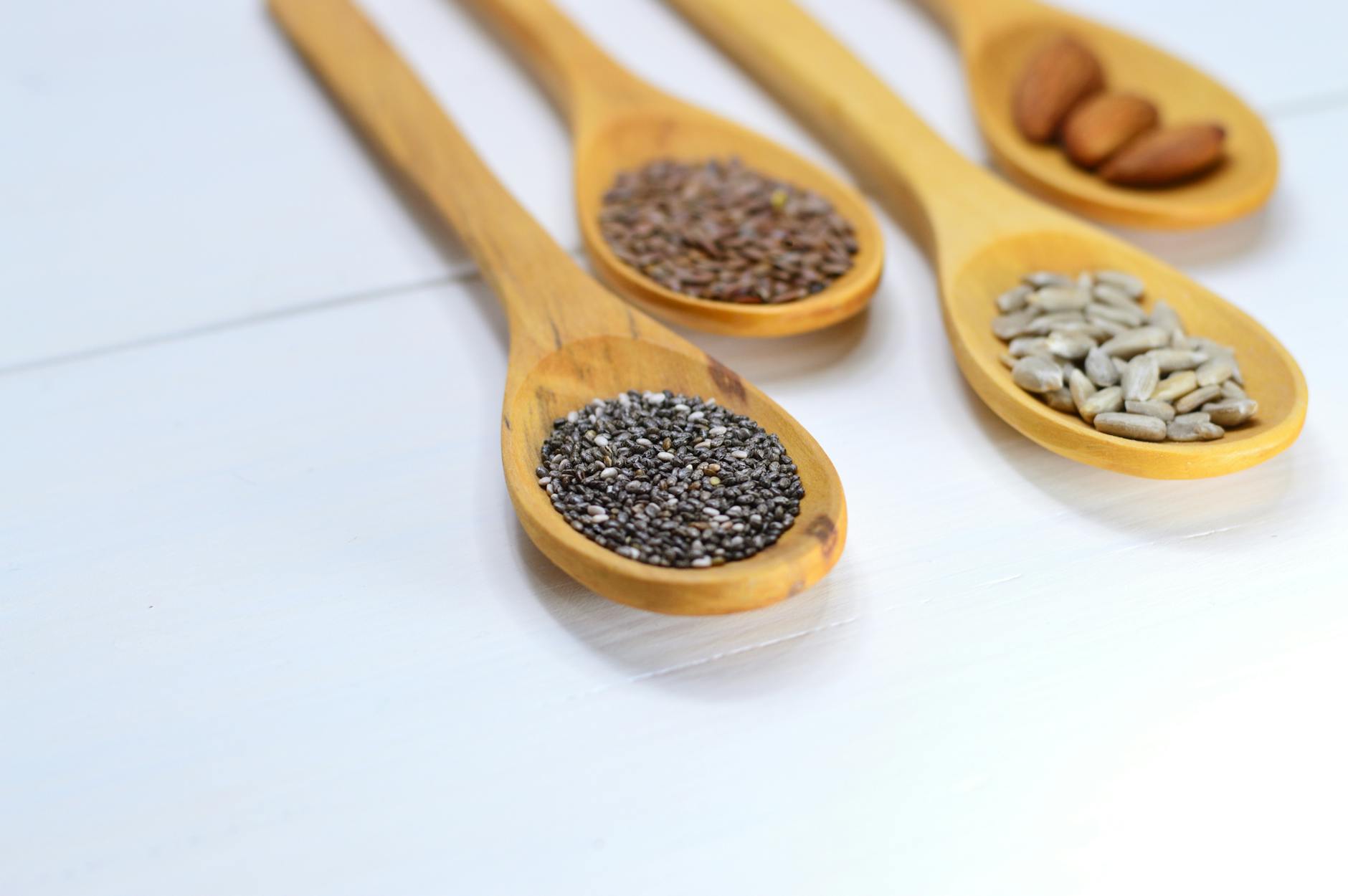
| Chia seeds | 2 tbsp (28 g): 9.5 g | |
| Flaxseeds | 2 tbsp (14 g): 3.8 g | |
| Insoluble Fiber | Whole grains | 1 slice whole-grain bread: 2 g |
| Wheat bran | ¼ cup (15 g): 6.4 g | |
| Corn | 1 cup cooked (160 g): 4.6 g | |
| Almonds | 1 handful (28 g): 3.5 g | |
| Pumpkin seeds | 2 tbsp (28 g): 1.8 g |
High-Fiber Fruits and Vegetables
Fruits
- Avocado – 6.7 g fiber per 100 g
- Pear (with skin) – 3.1 g fiber per 100 g
- Apple (with skin) – 2.4 g fiber per 100 g
- Raspberries – 6.5 g fiber per 100 g
- Blackberries – 5.3 g fiber per 100 g
- Banana (ripe) – 2.6 g fiber per 100 g
- Orange – 2.2 g fiber per 100 g
- Fresh figs – 2.9 g fiber per 100 g
- Fresh plums – 1.4 g fiber per 100 g
- Dried dates – 8 g fiber per 100 g
Vegetables
- Broccoli – 2.6 g fiber per 100 g
- Cauliflower – 2 g fiber per 100 g
- Artichokes (cooked) – 5.4 g fiber per 100 g
- Brussels sprouts – 3.8 g fiber per 100 g
- Spinach (raw) – 2.2 g fiber per 100 g
- Sweet potato – 3 g fiber per 100 g
- Tomato – 1.2 g fiber per 100 g
- Carrot – 2.8 g fiber per 100 g
- Zucchini (with skin) – 1 g fiber per 100 g
- Cucumber (with skin) – 0.5 g fiber per 100 g

How to Increase Fiber Intake in Your Diet
If you’re not consuming enough fiber despite its numerous benefits, it’s not too late to start. Make it your New Year’s resolution!
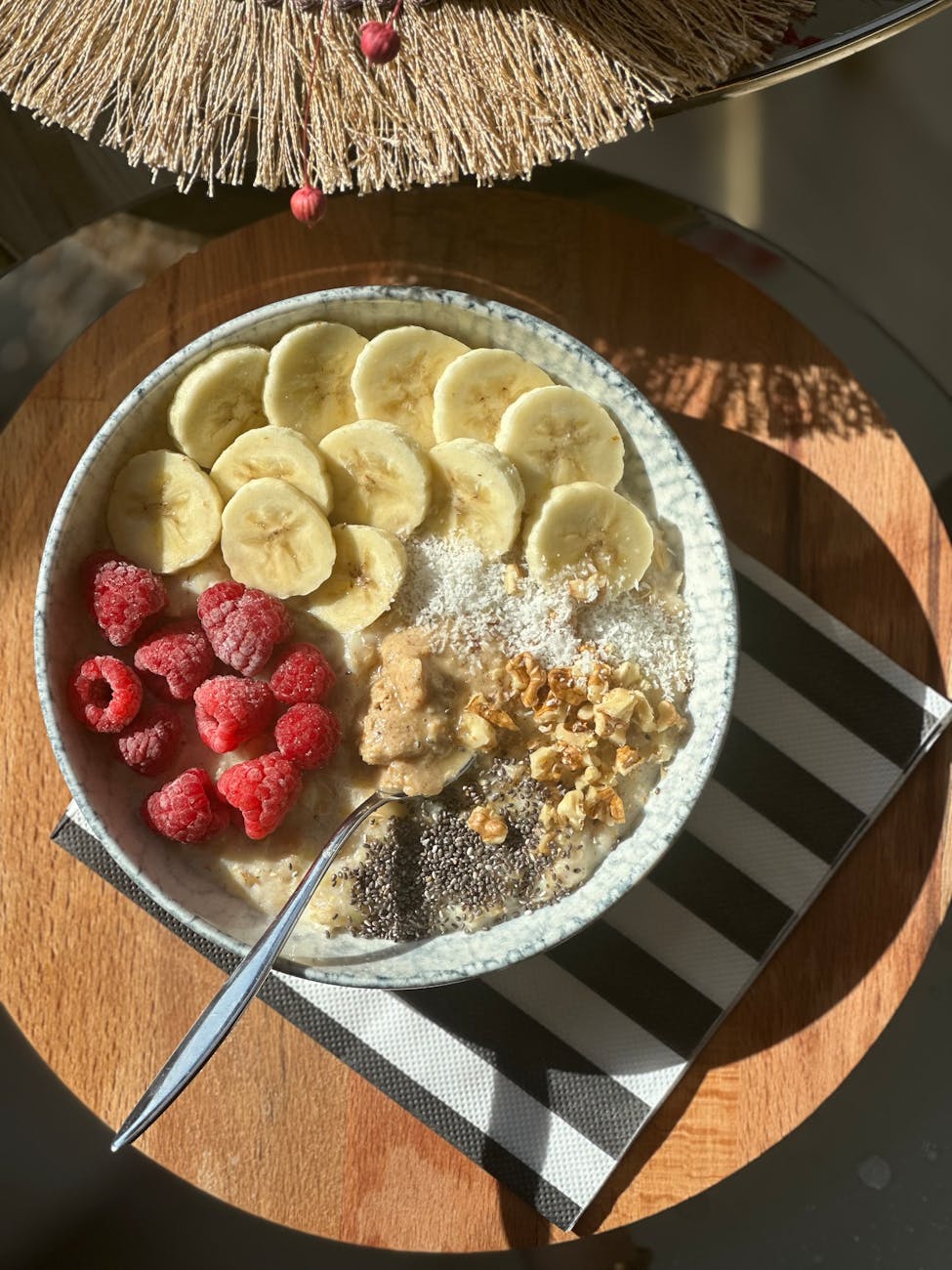
- Breakfast: Include oatmeal with yogurt, chia seeds, or raspberries. This meal provides satiety, is low in carbohydrates, and high in fiber.
- Snack: Eat a carrot or an apple (with skin).
- Lunch: Replace white bread with whole-grain bread and add cooked broccoli or sweet potato.
- Dinner: Substitute white rice with brown rice, and enjoy a handful of nuts while watching a movie.
To maintain consistency, replace standard foods with fiber-rich alternatives gradually (e.g., bread, potatoes, or rice). For a bold approach, try a “cold turkey” switch to fiber-rich foods. While it may initially seem overwhelming, I believe in your determination! 😊


Leave a Reply