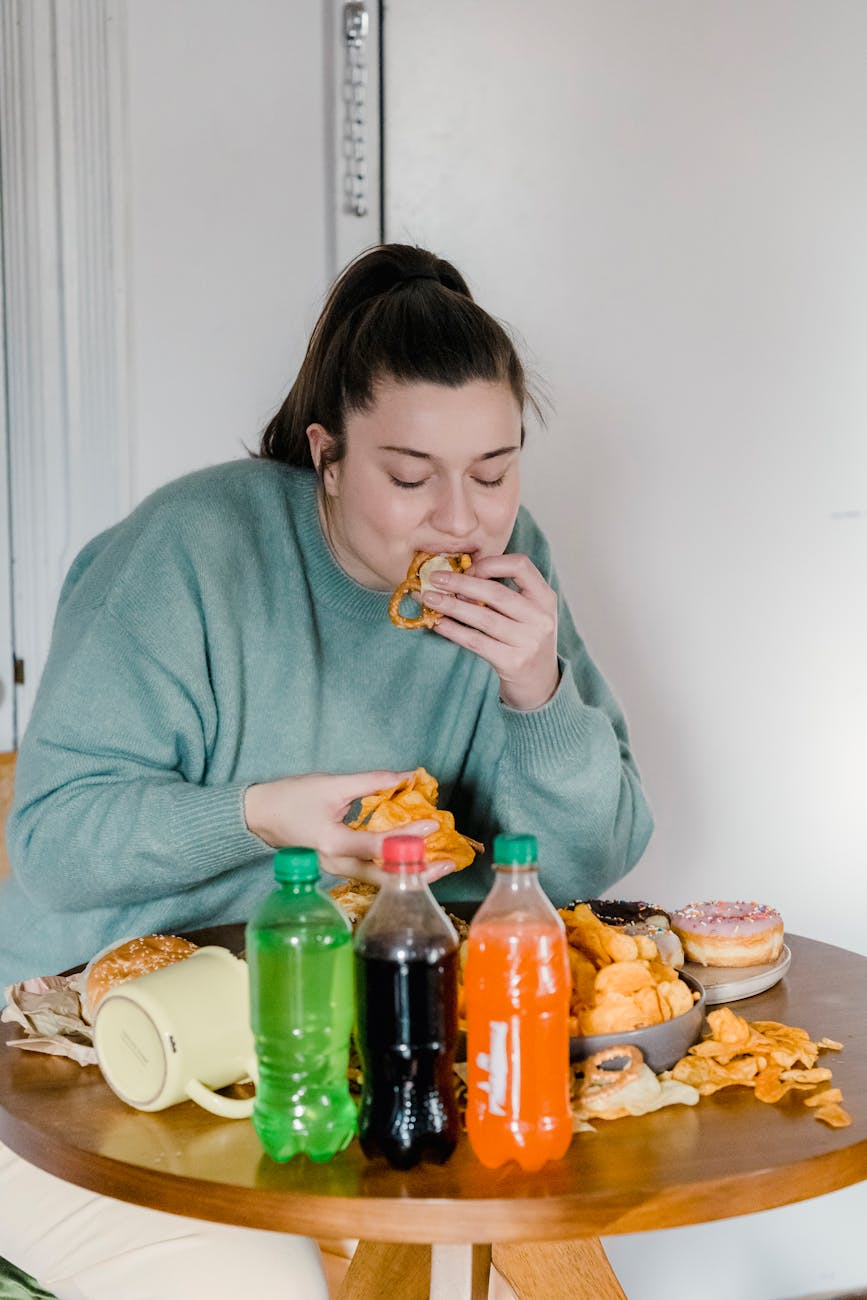
It’s 9:30 PM.
You already had dinner, you’re not physically starving.
But suddenly… you need something sweet.
You open the fridge. Then the pantry. Then the fridge again.
Sound familiar?
Here’s the uncomfortable truth:
Most people don’t overeat because they’re hungry. They overeat because they’re tired, stressed, bored, or chasing dopamine.
The Two Types of Hunger
As a pharmacist working with patients daily, I see this misunderstanding constantly. There are two fundamentally different hunger systems in the body.
1. Homeostatic Hunger (Real Physical Hunger)
This is biological survival hunger.
It:
- Builds gradually
- Appears after several hours without food
- Makes almost any food appealing
- Comes with physical signs (stomach growling, low energy)
Your body needs fuel, and gives you signs that fuel capacity is low. This is the real hunger, the one that comes when you have long intervals without food.
2. Hedonic Hunger (Emotional / Dopamine Hunger)
This is reward-driven hunger.
It:
- Appears suddenly
- Craves specific foods (usually high-sugar, high-fat)
- Is triggered by stress, boredom, or habit
- Often shows up at night
This is not about energy.
It’s about dopamine. You are not starving. Your brain is transforming different signs, such as boredom, stress, joy or tiredness in to hunger.
Why Evening Is the Danger Zone?
If you struggle with nighttime cravings, you are not weak.
You are human.
Here’s what happens biologically:
- Decision fatigue increases
- Cortisol fluctuates
- Self-control decreases
- Your brain looks for quick reward
Throughout the day, you use willpower like a battery. By evening, that battery is low.
Your brain says:
“We worked hard. We deserve something.”
Not because you need calories, but because your brain wants stimulation.
The Dopamine Loop Explained
Dopamine is not the “pleasure hormone.”
It’s the motivation and reward anticipation neurotransmitter.
When you eat something sugary or highly palatable:
- Dopamine spikes
- You feel relief
- Your brain remembers
- Next evening → same trigger → same behavior
This creates a loop.
Over time, your brain doesn’t wait for hunger.
It waits for the habit.
The Hungry Pharmacist 5-Question Hunger Check
Before eating, pause for 30 seconds and ask yourself:
- Would I eat a plain apple right now?
- When did I last eat?
- Am I physically low on energy?
- Am I stressed or emotionally drained?
- Would a short walk or shower help instead?
If you would not eat simple whole food (like an apple or eggs), it’s probably not real hunger.
It’s something else.
Hidden Triggers That Masquerade as Hunger
Stress
Stress increases cortisol, which can increase appetite — especially for high-energy foods.
Lack of Sleep
Poor sleep increases ghrelin (hunger hormone)
and decreases leptin (satiety hormone).
One bad night can increase cravings the next day.
Restrictive Dieting
Over-restricting calories during the day often leads to evening overeating.
The body compensates.
What To Do Instead of Emotional Eating?
When you detect it’s not real hunger, try one of these:
- Drink a full glass of water
- Take a 5-minute walk
- Brush your teeth
- Do 10 pushups
- Call someone
- Go to bed earlier
If you’re actually hungry, choose protein first.
Protein stabilizes blood sugar and reduces dopamine-driven overeating.
The Hard Truth
You don’t lack discipline.
You lack awareness of the trigger.
Most weight loss struggles are not about food knowledge.
They are about self-regulation and dopamine management.
Final Thought
Before your next snack, pause and ask:
“Do I need fuel — or do I need relief?”
That single question can change your relationship with food.
 The Hungry Pharmacist
Leave a comment