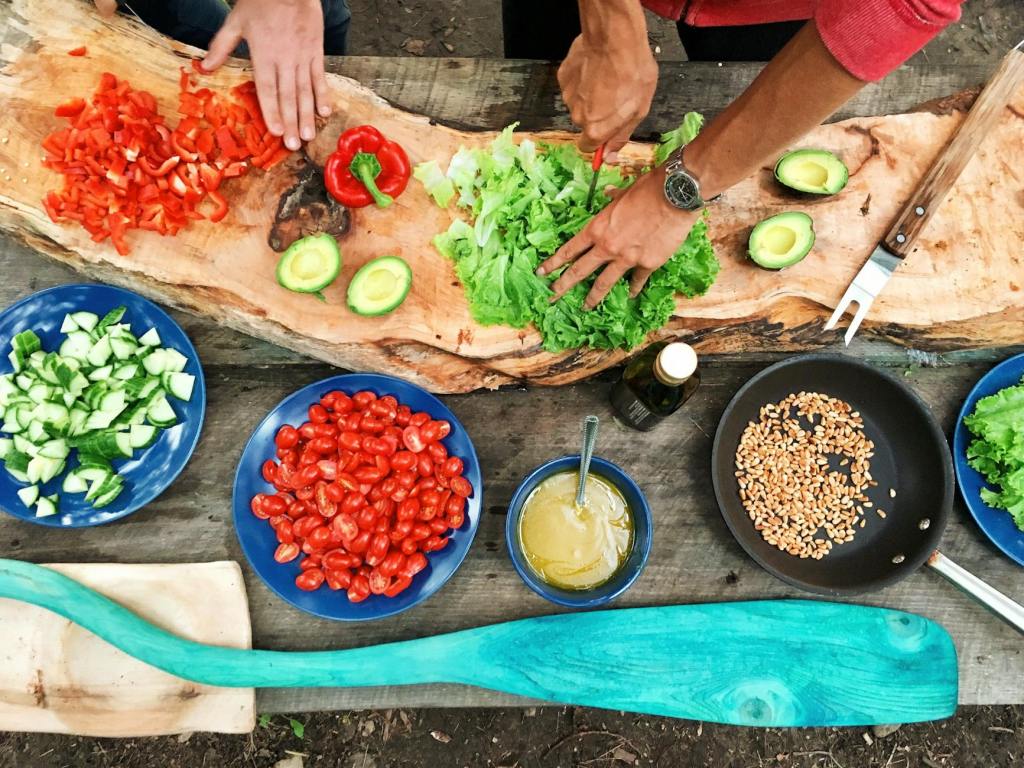
When we talk about healthy eating, we usually think about foods that are “allowed,” meaning those that support our health, and those that are “not allowed,” meaning foods that may, to a greater or lesser extent, harm our health or lead to illness. Salad, tomatoes, cucumbers, or potatoes are often seen as healthy foods. However, when these same foods appear inside a Big Mac, we suddenly change our perception completely.
This shows that context matters. One small bag of chips that occasionally ends up in your lap is also not a reason to panic.
Healthy eating is far more complex than a simple division into “good” and “bad” foods. It requires a holistic approach. That’s why I’m bringing you the 10 most important rules of healthy eating that, if followed, can help you live a healthier and more enjoyable life.
1. Eat a Variety of Foods
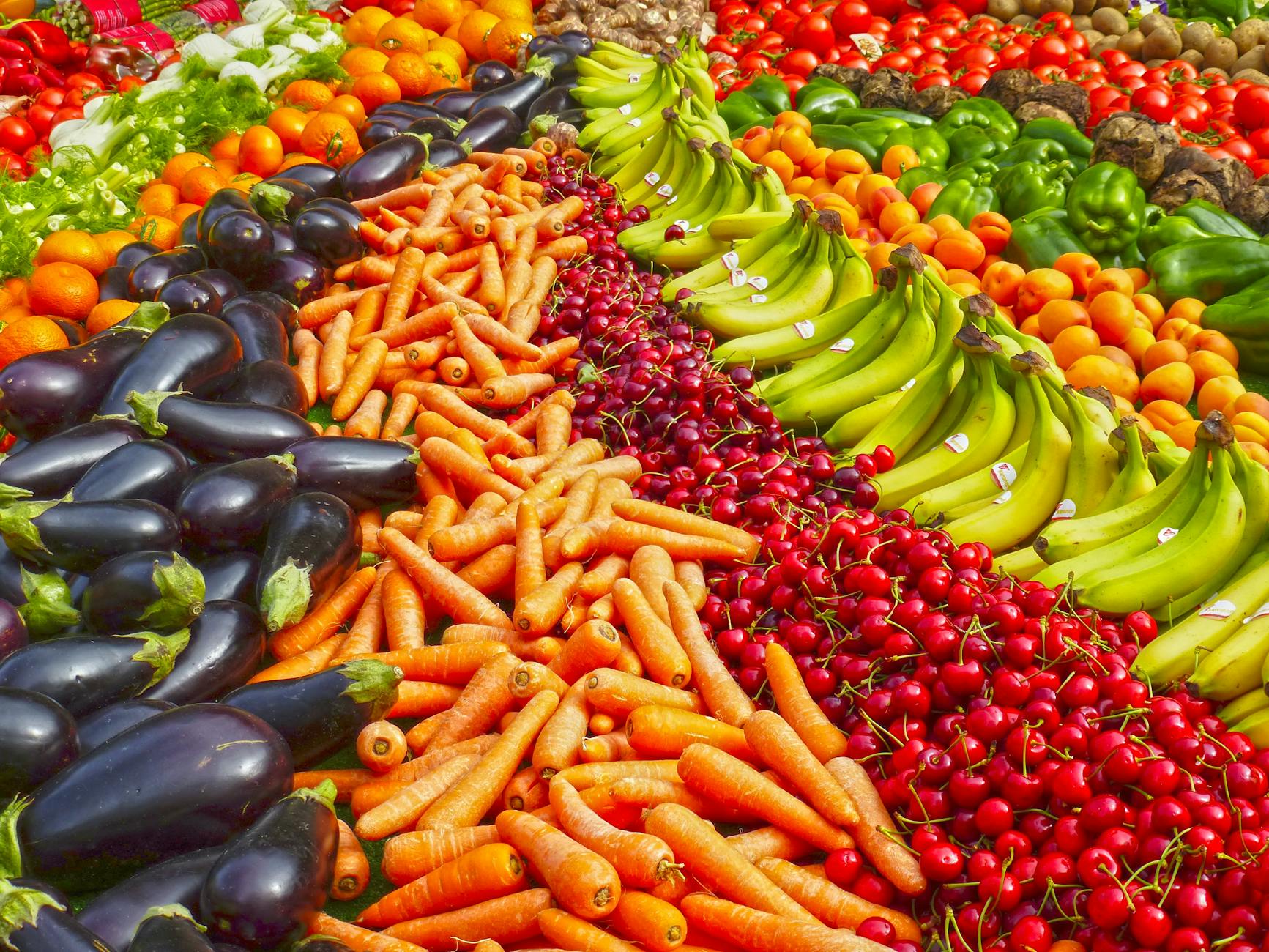
When people come to the pharmacy with a vitamin or mineral deficiency, we often end up talking about their diet. Almost everyone claims they “eat a variety of foods,” yet this is usually not true. There is often a big difference between how varied we think our diet is and what we actually eat.
Even if you occasionally eat fast food or sweets during the week, that’s not necessarily a problem. The key is quantity, selection, and combination of foods, which together determine dietary variety. No single food contains all macro- and micronutrients or enough fiber for optimal health.
That’s why it’s important to include plenty of fruits, vegetables, and whole grains that contain fiber, support digestion, positively influence blood lipids, and provide many vitamins and minerals.
Throughout the day, include an appropriate amount of dairy products to avoid excessive daily fat intake. Finally, add meat for its protein and vitamin B12 content. Fish and less fatty meats like poultry are healthier choices than beef, pork, or lamb.
A moderate intake of fats—such as olive oil and nuts—and at least 30 ml of fluid per kilogram of body weight are also essential parts of a balanced diet.
2. Fruits and Vegetables – Five Servings a Day
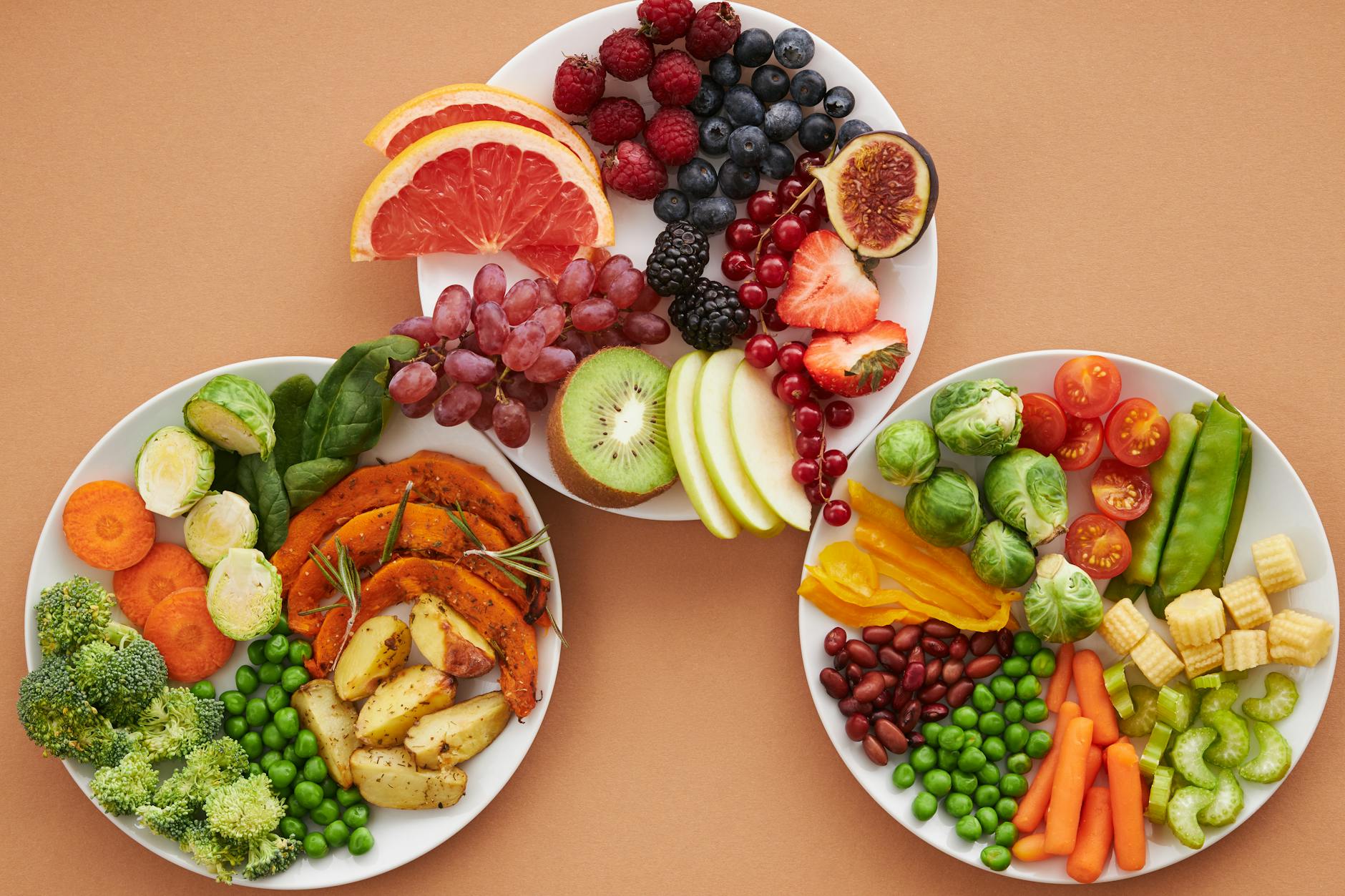
The basic recommendation is five servings per day: three servings of vegetables and two servings of fruit.
Vegetables are best consumed raw—such as salad, tomatoes, peppers, cucumbers, or arugula—because they retain almost all nutrients. They are easy to prepare and require no special cooking skills.
If vegetables are cooked, steaming or boiling is the best choice. Broccoli, Brussels sprouts, or spinach are ideal for this.
Note: nutritionally, rice and potatoes are not vegetables—they are grains/starches.
Fruit is usually consumed as a snack or added to meals. Smoothies can be an option, but caution is needed: blending reduces fiber content, and it’s easy to consume too many calories because smoothies are often energy-dense.
For large fruits (apple, orange), one serving equals one piece (roughly one handful). For smaller fruits (grapes, berries), one serving equals two handfuls.
3. Fiber, Fiber, Fiber

I’ve already written about the importance of fiber for overall health. Fiber influences digestion, gut microbiota, blood lipid levels, immune function, and even protection against chronic diseases such as colon cancer and cardiovascular diseases.
The basic recommendation is at least 30 g of fiber per day.
A diet rich in fruits, vegetables, and whole grains usually meets this requirement—though be careful, as many rice varieties and breads are low in fiber.
Note: Meat, sweets, and snacks do not contain fiber.
4. Meat and Dairy in Moderation

Today’s internet culture often promotes two extremes: vegans and carnivores. Both groups have strong arguments for why their diet is superior.
Vegans emphasize the benefits of fruits and vegetables—fiber, vitamins, minerals, and environmental impact. However, plant-based diets may lack essential amino acids and vitamin B12, and vegans sometimes overconsume refined carbs for satiety.
Carnivores argue that they get essential amino acids and minimal sugar intake. Many achieve desired body weight. However, this diet contains almost no fiber, which harms gut health and digestion, and usually includes high amounts of saturated fat.
I’ve tried both approaches and experienced benefits in each, but neither was sustainable long-term.
The truth lies in the middle: a balanced diet.
Fish twice a week is ideal. Poultry is better than red meat, and processed meats (sausages) are classified by the WHO as potentially carcinogenic and should be avoided.
5. Healthy Fats

In a balanced diet, fats should make up about 30% of total daily calories.
The most important fats for our health are unsaturated fatty acids, especially omega-3, mostly found in fatty fish and olive oil.
The Mediterranean diet is a great example of a pattern rich in healthy fats.
A diet including seafood, olive oil in salads, and a handful of nuts daily supports heart and brain health and contributes to hormone production and hormonal balance.
On the other hand, trans fats (chips, processed snacks) and excessive saturated fats from red meat negatively affect long-term health.
6. Drink Water

Well—not literally only water, but the idea is to avoid empty calories.
Fruit juices, sodas, and energy drinks are loaded with sugar and quickly lead to caloric surplus without satiety. It’s easy to gain several kilos in a few weeks.
Alcohol is also high in calories—7 kcal per gram, more than sugar.
It should be consumed only on special occasions and in moderation, as large amounts harm the liver, pancreas, colon, and sleep.
Different countries have different limits—for example, 20 g/day for men in Germany vs. up to 70 g/day in Portugal.
The best choice is plain or mineral water.
Tea is also a great option. Coffee is safe up to 3–4 cups per day—without sugar.
7. Use Salt and Sugar Sparingly

Sugar and salty foods negatively affect health. Together with trans fats and refined flour, they form the group known as the “four white evils.”
Carbohydrates themselves aren’t bad, but simple sugars are problematic—they raise blood glucose quickly and keep insulin levels high.
Daily recommended salt intake is 5 g, but people in industrialized countries often consume more than double—around 12 g.
Excess salt causes water retention and disturbs the sodium–potassium balance, crucial for cellular function. Most importantly, it contributes to high blood pressure.
8. How You Prepare Food Is Half of Health

Frying and deep-frying are the least healthy cooking methods. They reduce nutrient content and can produce harmful compounds. They also greatly increase calorie density.
Take potatoes as an example: cooked vs. French fries.
Fries contain three times more calories, more fat and carbohydrates, and less fiber.
Steaming, boiling, and sautéing are much better. Baking with a small amount of oil or grilling is acceptable and significantly healthier than deep-frying.
9. Eat Slowly

Most of us eat while distracted—usually by screens. Eating in front of a TV is normal today, especially among younger people.
Research shows that distracted eating leads to consuming much more food than intended.
When adrenaline or dopamine rises (because of what we watch), we tend to eat even more.
Satiety typically kicks in 15–20 minutes after you start eating. If you eat slowly, you are far less likely to overeat.
Focused eating also increases awareness of what—and how much—you consume.
10. Move and Maintain a Healthy Weight

I’ve already written about the importance of physical activity. Movement affects nearly every aspect of health, especially weight control, physical strength, and mental well-being.
A good baseline is 30 minutes of walking daily plus 2–3 strength-training sessions per week.
Body weight is best assessed using BMI, where the normal range is 18–25.
Of course, very muscular individuals may have a higher BMI without being overweight—this is an exception, and other tools are used for assessment in such cases. Maintaining a healthy weight is one of the most important predictors of long-term health
 The Hungry Pharmacist
Leave a comment