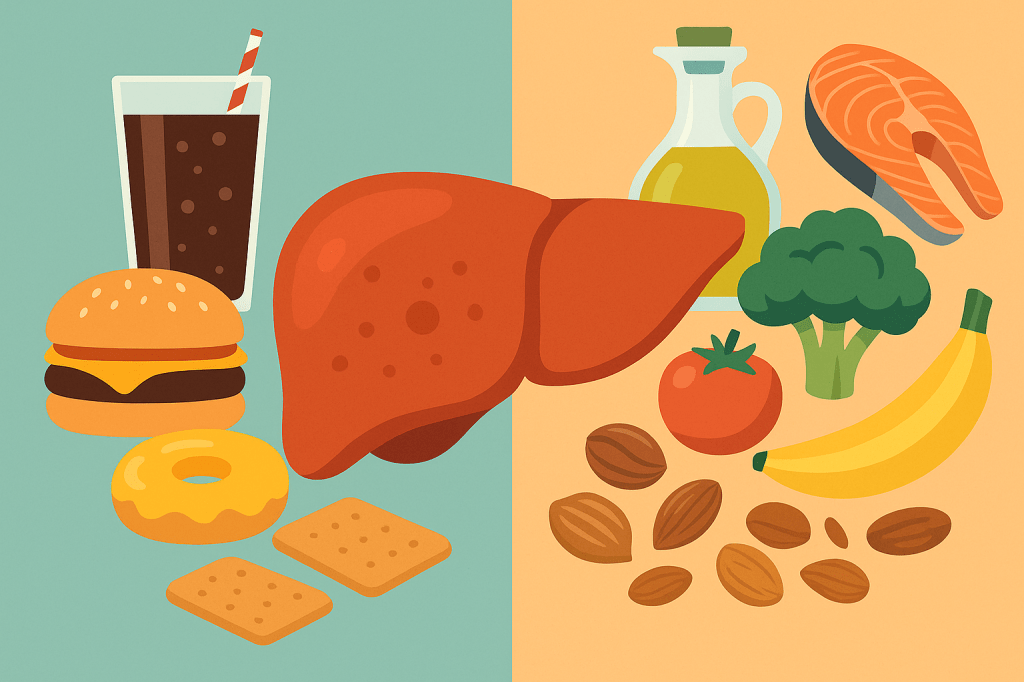
If you’ve ever seen advertisements for “detox teas,” you should know that your body already has a powerful detox organ. That organ is the liver. And the liver doesn’t just detoxify—it plays an essential role in many other processes that keep us alive and healthy.
Functions of the Liver
The liver is one of the most important organs in the body. Among its many roles are:
- Production of cholesterol, bile, hormones, and clotting factors
- Storage of proteins, fats, glycogen, iron, and vitamins
- Supporting the immune system
- Building and breaking down hormones
Everything you eat or drink is first processed in the liver. This happens through what pharmacists call the first-pass metabolism: blood from the digestive system goes straight to the liver, where toxins are neutralized and drugs are activated.
However, after years of poor diet, alcohol, or toxin exposure, the liver can become overloaded. This can lead to liver conditions, including cirrhosis and one of the most common issues today—fatty liver disease.
Alcoholic vs. Non-Alcoholic Fatty Liver
Traditionally, fatty liver was linked only to heavy drinking. But doctors discovered many cases in people who drink little to no alcohol. This condition is called Non-Alcoholic Fatty Liver Disease (NAFLD).
In NAFLD, fat accumulates inside liver cells without alcohol being the cause. Instead, lifestyle and metabolic factors are usually to blame:
- Excess calorie intake
- Too much sugar and saturated fat
- Visceral fat (abdominal obesity)
Today, NAFLD is considered a disease of modern lifestyle, most common in industrialized Western countries. Research suggests that 1 in 4 adults may have some degree of fatty liver. It is also strongly linked to diabetes, high cholesterol, and high blood pressure.
Symptoms of Fatty Liver
Fatty liver disease often has no clear symptoms. You may not feel pain, nausea, or digestive issues. But there are certain warning signs and risk factors:
- Waist circumference over 102 cm (40 inches) in men
- High blood pressure
- Elevated LDL cholesterol
- Prediabetes or type 2 diabetes
A proper diagnosis requires medical evaluation, often with an ultrasound. Left untreated, fatty liver can progress to NASH (non-alcoholic steatohepatitis) and eventually cirrhosis.
Treatment of Fatty Liver
Fatty liver is primarily a lifestyle disease, which means it can be improved with the right changes. Treatment includes:
1. Weight Loss
- Aim for 5–10% weight reduction.
- Focus on gradual, sustainable progress.
2. Diet Adjustments
- Reduce added sugars, refined carbs, and trans fats.
- Increase fiber intake (fruits, vegetables, whole grains).
- Boost omega-3 fatty acids (fish, flax, chia).
- Limit alcohol intake.
3. Exercise
- Combine aerobic activity (walking, swimming, cycling) with resistance training.
- Aim for 150 minutes of cardio per week + 2–3 strength sessions.
4. Medications (if needed)
There is no “magic pill” for fatty liver, but some medications are used if other conditions are present:
- Metformin (for diabetes/insulin resistance)
- Statins (for high cholesterol)
Fatty Liver Diet Example
Here’s a sample daily menu that supports liver health:
Breakfast
- Oatmeal (40 g) with water or plant-based milk
- 1 tbsp ground flax or chia seeds
- ½ banana + handful of berries
- 1 handful of walnuts or almonds
Lunch
- Baked salmon (150 g)
- Steamed broccoli, spinach, zucchini with olive oil and lemon
- 3–4 tbsp quinoa or brown rice
Snack
- Greek yogurt (200 g, low-fat)
- 1 tbsp pumpkin or sunflower seeds
- Sliced cucumber or carrot sticks
Dinner
- Grilled chicken breast (120–150 g)
- Large salad with lettuce, tomato, cucumber, and bell pepper, dressed with olive oil and lemon
- 1 slice whole-grain bread or ½ baked sweet potato
This plan provides fiber, omega-3s, and probiotics, while avoiding refined sugar and excess saturated fat.
Supplements for Fatty Liver
While diet and exercise are the foundation, certain supplements may support liver health:
- Omega-3 fatty acids – reduce inflammation
- Vitamin D – often low in NAFLD patients
- Silymarin (milk thistle) – protects against oxidative stress
- Probiotics – improve gut health and digestion
Note: Supplements only work alongside proper nutrition—they are not a replacement.
Exercise for Fatty Liver
Both cardio and strength training are effective. The best approach is a combination:
- Aerobic exercise: brisk walking, cycling, or swimming (30 minutes, 5x per week)
- Strength training: weightlifting or bodyweight exercises (2–3x per week)
For beginners or those with obesity/high blood pressure, start with walking, swimming, or cycling. Advanced individuals can include jogging or HIIT workouts.
Conclusion
Non-Alcoholic Fatty Liver Disease (NAFLD) is one of the most common lifestyle diseases of the 21st century. It is strongly linked to poor diet, obesity, and lack of exercise.
The good news: with the right nutrition, physical activity, and healthy habits, fatty liver can be reversed. Supplements and medications can help, but the foundation is always lifestyle change.
 The Hungry Pharmacist
Leave a comment