
If you’ve ever felt that burning sensation creeping up your chest after a heavy meal, you know what I’m talking about — heartburn. It’s one of the most common digestive complaints, and while it’s not usually dangerous, it can make everyday life pretty uncomfortable.
As a pharmacist (and foodie), I’m all about combining medical knowledge with practical lifestyle tips. So let’s break down what heartburn really is, why it happens, what foods are your friends (and enemies), and when medications come into play.
What Exactly Is Heartburn?
Heartburn happens when stomach acid flows back up into the esophagus — the tube that carries food from your mouth to your stomach. Normally, a muscle called the lower esophageal sphincter works like a gate, keeping acid where it belongs. But sometimes, it relaxes at the wrong time or doesn’t close properly, and acid sneaks back up.
This is also called acid reflux, and if it happens often, doctors may call it GERD (gastroesophageal reflux disease).
Common Symptoms
- Burning sensation in the chest or throat
- Sour or bitter taste in the mouth
- Feeling like food is stuck in your throat
- Regurgitation (when stomach contents come back up)
- Worsening symptoms when lying down or after eating
What to Eat When You Have Heartburn
Diet plays a huge role in managing heartburn. Here’s the good news: you don’t have to give up everything you love. You just need to know what’s gentle on your stomach and what triggers the burn.
Heartburn-Friendly Foods
- Oatmeal – A filling, low-acid breakfast choice
- Bananas & melons – Non-acidic fruits that soothe rather than irritate
- Lean proteins – Chicken, turkey, fish, tofu (grilled, baked, or steamed)
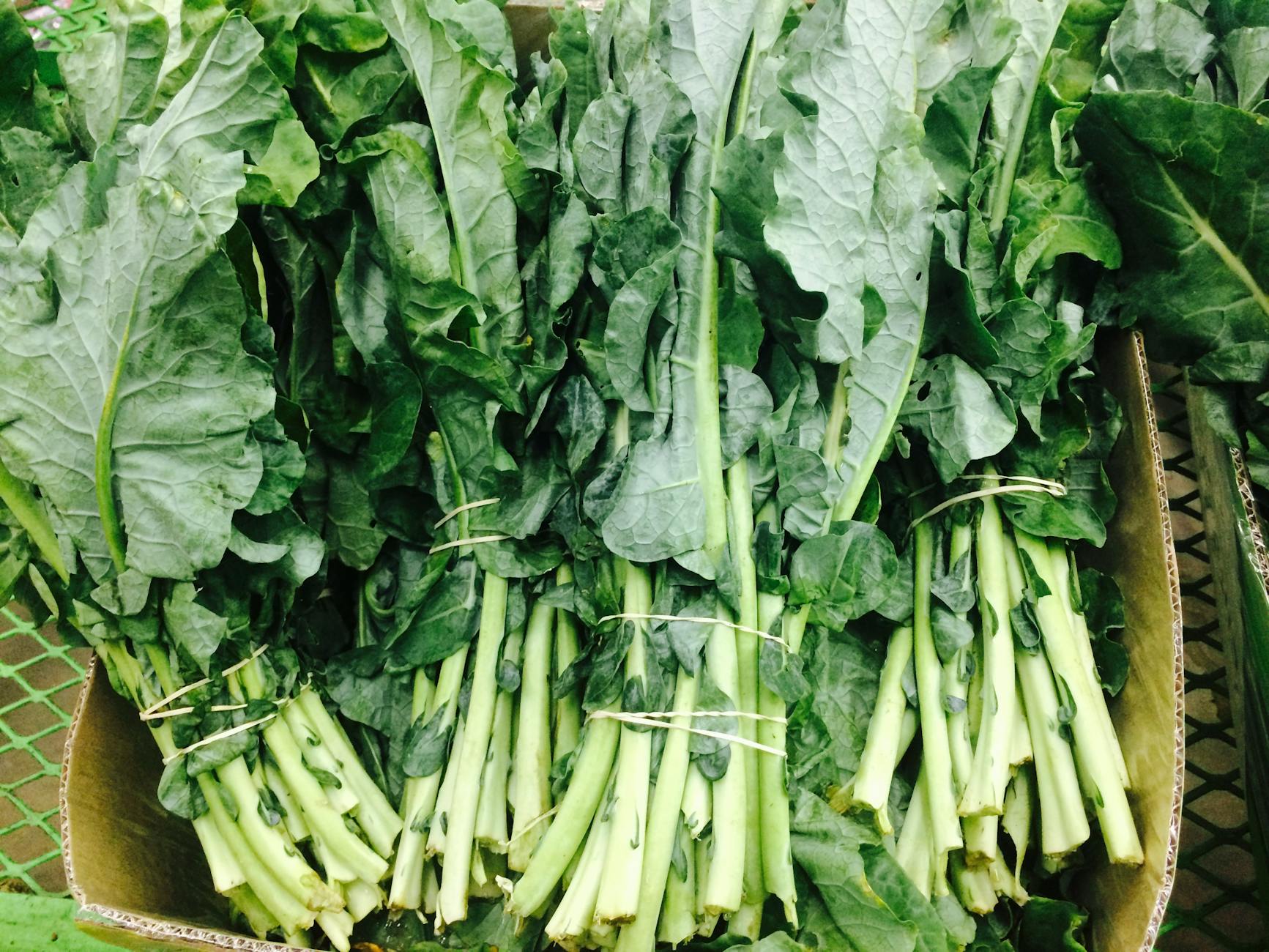
- Green veggies – Broccoli, asparagus, green beans, cucumbers, leafy greens
- Whole grains – Brown rice, quinoa, whole-wheat bread in moderation
- Ginger – A natural anti-inflammatory that helps digestion
Foods to Limit or Avoid
- Spicy dishes (chili, hot sauces)
- Acidic foods (tomatoes, citrus fruits, vinegar)
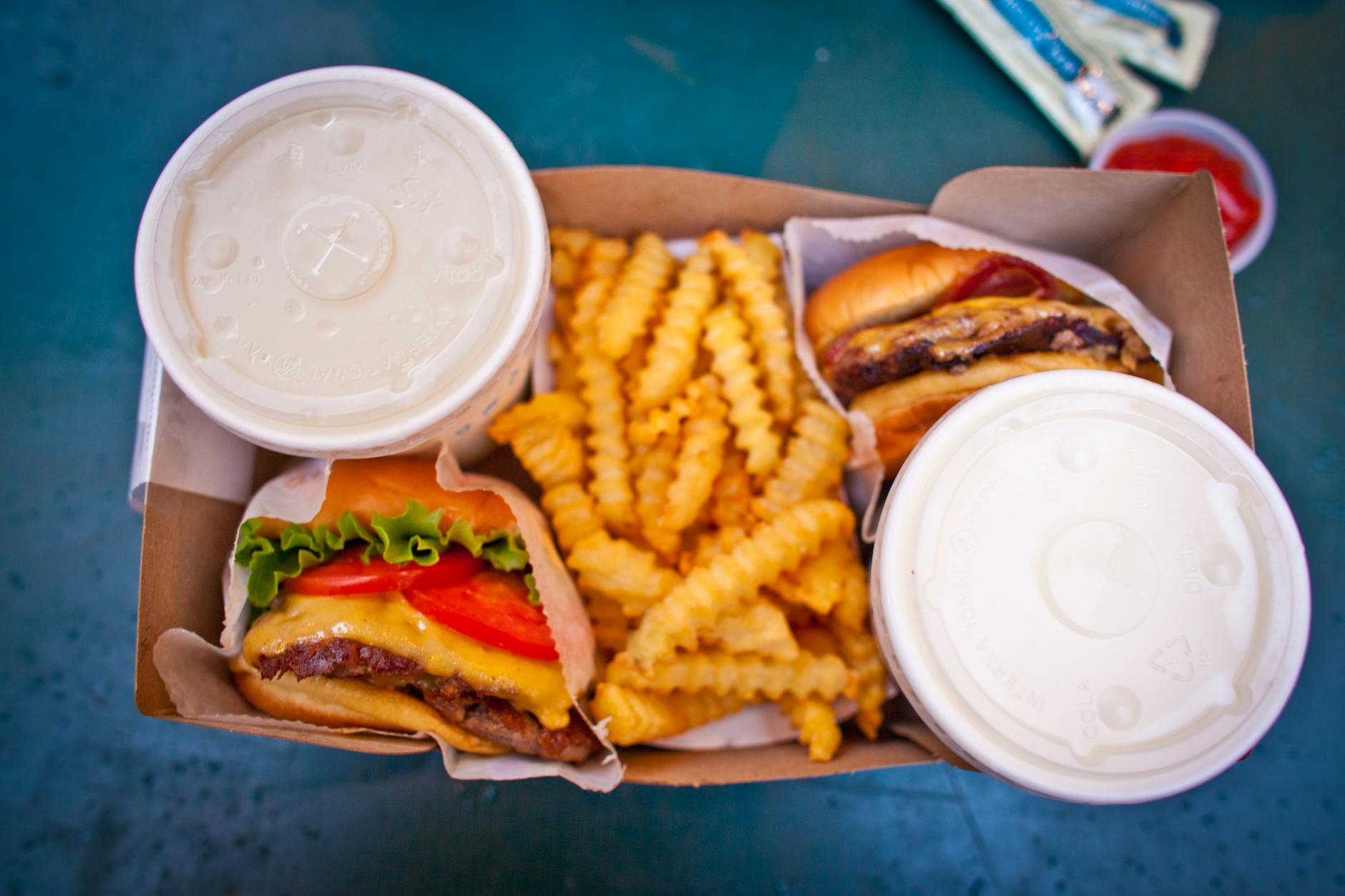
- Fatty or fried foods (burgers, pizza, fries)
- Chocolate (sorry, I know!)
- Caffeinated drinks (coffee, energy drinks, cola)
- Alcohol (especially wine and beer)
- Carbonated drinks (bubbles can push acid upward)
Lifestyle Tips That Help
- Eat smaller, more frequent meals instead of large portions
- Don’t lie down right after eating (wait at least 2–3 hours)
- Elevate your head when sleeping
- Maintain a healthy weight (extra pressure on the stomach makes reflux worse)
- Avoid smoking — nicotine weakens that “gate” muscle we talked about
Medications That Can Help
Sometimes, diet and lifestyle changes aren’t enough. Luckily, there are effective over-the-counter (OTC) medications:
- Antacids (Rennie) – Work quickly by neutralizing stomach acid
- Proton Pump Inhibitors (PPIs) (pantoprazole, omeprazole, esomeprazole) – Stronger, longer-lasting acid suppression
Important: If you need medication regularly, or if your heartburn is severe and persistent, see a doctor. Long-term reflux can damage the esophagus.
A Holistic Takeaway
Heartburn isn’t just about what you eat — it’s about how you eat, how you live, and how your body responds. By combining dietary adjustments, lifestyle changes, and, when needed, medications, most people can find real relief.
So next time that fiery burn tries to ruin your day, you’ll know exactly how to fight back.
 The Hungry Pharmacist
Leave a comment