What is insulin?
Recently, I had another poll on my Instagram page with the question:
Insulin is:
a. A Caribbean island
b. A Mediterranean dish
c. A hormone
Of course, most people knew it was a hormone, but a few humorous individuals chose the other two answers, just to respect the democratic nature of the page to the fullest.
Insulin is, therefore, a hormone secreted by the pancreas and is also called the storage hormone. Its role is to be secreted when blood sugar is elevated, to lower the blood sugar levels and bring them back to normal.
Why do we need to lower blood sugar levels?
Most people would answer that it’s because prolonged elevated blood sugar levels can cause various diseases and problems, such as blindness, slow wound healing, susceptibility to infections, or kidney diseases. However, that’s the consequence. But what is the primary reason?
Our body needs to store the energy it receives somewhere, and as we know, sugar is the main source of energy in our body. When we consume sugar, it can either be used directly through physical activity or it needs to be stored somewhere for later use. This is where insulin comes in, which is secreted when blood sugar levels are high and works to move sugar from the blood into the liver, muscles, and fat cells. Since the liver and muscles have a capacity of about 450 g, any remaining sugar is stored in fat cells through a process called lipogenesis.
That’s why insulin is called the storage hormone because its function is essentially to store energy.
The counterhormone to insulin is glucagon, which is secreted when blood sugar levels are too low. These two hormones cannot be secreted at the same time; one is secreted in the absence of the other.
Since insulin is a storage hormone, it would be expected to be responsible for weight gain. This is somewhat true, and there are many dietary approaches aimed at keeping insulin levels always normal to avoid the risk of gaining weight or to stimulate weight loss. This approach makes a lot of sense – constant insulin spikes lead to constant fluctuations in blood sugar levels and, therefore, in the body’s energy levels. For some people who use insulin for diabetes, weight gain occurs after some time. However, in healthy individuals, insulin is not secreted spontaneously; it’s triggered by high blood sugar levels. Only then do the pancreatic cells send out the alarm and begin to secrete insulin, which then drives sugar into cells. Depending on how much and what we’ve eaten, the amount of insulin secreted and the consequences of that vary.
I’ve already written in a previous post on sugars how the form of sugar we consume affects the body’s response. Let’s take the example of a meal:
- Chicken
- Roasted potatoes
- Salad with tomatoes, cucumbers, and feta cheese
The biggest source of sugar in this meal is the potatoes, and to a smaller extent, the cheese. The sugar in the potatoes is mostly in the form of starch, a polysaccharide, a complex form of sugar, which breaks down slowly in the body and is absorbed into the blood gradually. The pancreas receives information that sugar is entering the blood slowly and doesn’t panic. Without much alarm, the beta cells secrete insulin, which slowly finds the appropriate cells where it can store it for later energy use. If you decided to take a walk ten minutes after the meal or continued with your workday, insulin gets the message that energy is needed by your brain and muscles, as well as the other organs keeping you alive. Since sugar is entering slowly, you have a constant energy supply, insulin levels are stable, and the same level of insulin coordinates the process of sugar entering the blood and its use. Once the sugar supply stops, and you continue with your work, insulin slowly decreases, and your brain gets the message that the energy flow has stopped. At this point, you have two options: to take energy from reserves (muscles and fat cells) or to consume new energy. Our brain usually opts for the easier option and induces hunger to find food. This, however, usually happens a few hours after the meal, as it took time for the body to process the complex foods we’ve consumed. The protein from the chicken, for example, takes the longest to digest, and that influences our increased satiety.
Now, let’s take the second example: For lunch, we ate a croissant with cherry jam, freshly squeezed orange juice, and a small chocolate bar. What happens?
Since everything here consists of simple carbohydrates (monosaccharides and disaccharides), they digest very quickly and enter the bloodstream rapidly. The pancreas understands that blood sugar levels have suddenly risen and aren’t stopping – it sends a signal to release a lot of insulin, which is secreted into the blood in large amounts very quickly.
Thus, different foods affect insulin secretion differently, and this ultimately affects both our health and our physical appearance.

Weight Gain – Insulin or Caloric Surplus?
Body weight is affected by the amount of energy we consume compared to the amount we burn. Basal metabolism takes the largest part of our energy throughout the day, so even if we do nothing all day, we’ll still burn energy. This means that if we lay down and sleep all day, there’s a chance we could lose weight. This is especially true for people who fast and don’t engage in much physical activity, losing weight during fasting. On the other hand, we have some physical workers or even athletes (e.g., shot putters), who train daily but still have a relatively large belly. They consume more than they burn. Everyone knows someone who occasionally trains and works but is still overweight. These people usually claim they have a hormonal problem and can’t lose weight. This is partially true because they don’t regulate their insulin.
As seen from the previous examples, many people, if they don’t eat properly, cause constant insulin spikes and drops, quickly storing it in fat cells, and are constantly hungry. Insulin secretion doesn’t directly cause weight gain, but it certainly causes constant hunger. And that’s the vicious circle: poor diet -> constant hunger -> more frequent meals -> increased caloric intake -> weight gain.
It’s theoretically possible to lose weight even if we only eat junk food, but it’s much harder. Would it be easier to maintain a caloric deficit eating whole food meals, such as chicken breasts, vegetables, and water, compared to pizza, fries, and Coca-Cola? You’ll agree that the second option is much harder because who stops at just one slice of pizza? I don’t know anyone who has eaten more than two cucumbers in one sitting.
Insulin Resistance
People who have been eating a high-calorie, monotonous, and “unhealthy” diet full of simple sugars, saturated fats, and trans fats for many years may eventually lose their high sensitivity to insulin. When insulin is secreted in high concentrations for prolonged periods, cells stop being as responsive to insulin because they can’t absorb as much sugar. The cells then refuse to take up sugar, and the pancreas increases insulin secretion to transfer the sugar. Eventually, more and more insulin is needed to transfer the sugar from the blood into the cells. At some point, even very high doses of insulin can’t transfer the sugar into cells, and blood sugar levels rise. This condition where cells become less responsive to insulin is called insulin resistance. If left untreated, insulin resistance leads to prediabetes, and ultimately, type 2 diabetes.
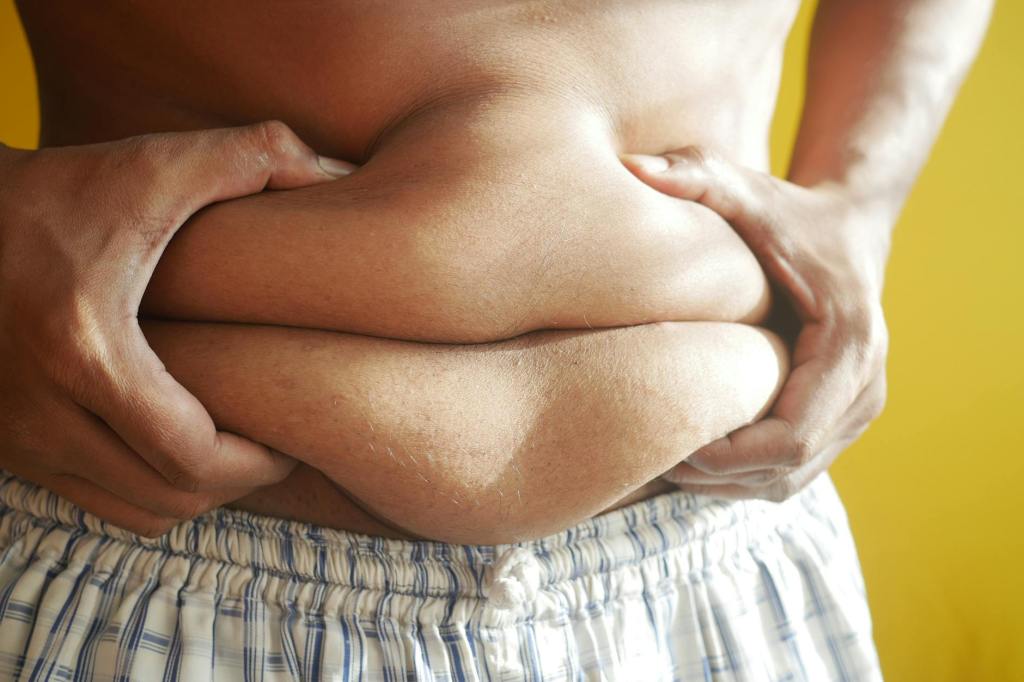
Thus, a diet rich in simple sugars, fats, increased body weight, BMI above 25, and fat accumulation around the abdomen are factors that lead to the development of insulin resistance, a precursor to type 2 diabetes. High blood pressure, increased blood fat levels, polycystic ovary syndrome in women, or atherosclerosis often accompany it.
Can I Lose Weight with Insulin Resistance?
Yes, of course, but it’s more difficult than for healthy individuals. As I’ve already mentioned, insulin is a storage hormone, which means its primary role is to store energy, mostly in fat cells. If a person has insulin resistance, insulin will try to push the energy into fat cells. On the other hand, in athletes, after insulin secretion, most of the energy goes into muscles because they are more metabolically active and need the energy. But in individuals with insulin resistance, the muscles are less metabolically active and don’t require much energy. People with developed muscles (lean individuals) have the best insulin sensitivity, while it is lowest in individuals with high body fat and poorly developed muscles. Even people with well-developed muscles but a high body fat percentage (e.g., bodybuilders or strongmen) will have energy stored in fat cells rather than muscles.
Uncontrolled insulin also affects increased appetite, which doesn’t help with weight loss and, in fact, presents a major obstacle to treating it.
Treating Insulin Resistance
A multidisciplinary approach is required to treat insulin resistance, involving changes in diet, exercise, and supplementation. Exercise alone, without dietary changes and supplements, may yield minimal results. Alternatively, only changing the diet can lead to significant improvements, but for the best effect, all three areas must be addressed.
Diet
- Lower-Glycemic, Whole-Food Diets – such a diet allows a steadier response to elevated blood sugar because it doesn’t cause direct blood sugar spikes. One simple carbohydrate swap can make a big difference: replacing a croissant with fiber-rich bread, chips with nuts and hazelnuts, or sweets with fruit can allow the body to get energy from carbohydrates while ensuring a much more stable insulin response.
- Low Carb Diets – especially at the beginning, it makes sense to limit the overall amount of carbohydrates consumed, regardless of the source. Of course, the carbohydrate source must be whole foods. Ideally, carbohydrate intake should be about 50%, but in a low-carb diet, it should be reduced to below 30%. This means that if a person consumes 2,000 calories per day, 600 calories should come from carbohydrates. If we know that 100 g of chocolate usually contains around 500 calories, we can see how restrictive this diet needs to be, which is why it’s often hard to maintain, and adherence tends to be low.
- Calorie Quality and Timing: Independent of macronutrient ratios, focusing on the quality of calories helps. Minimally processed, nutrient-dense foods not only provide vitamins and minerals that aid insulin action (like magnesium, chromium, etc.), but they also tend to be more filling. This can prevent overeating and indirectly lower insulin levels. A striking study by Kevin Hall showed that when people were allowed to eat freely, a diet of unprocessed foods led them to unconsciously eat 508 fewer calories per day and lose weight, whereas an ultra-processed food diet caused overeating and weight gain. Also, avoiding overeating in the evening, i.e., practicing some form of intermittent fasting (18:6 or 16:8), allows for longer periods without food and without insulin spikes, leading to normalization of insulin secretion.
- Avoiding Glycemic Spikes – while athletes during intense training or performances must use quick sugar sources to replenish glycogen stores, for people with insulin resistance, this is a no-go, as consuming large amounts of fruit juices while sitting or other quick sugar intakes leads to increased insulin secretion.
Exercise
- Aerobic Exercise – fast walking, running, cycling, or swimming are great ways to increase insulin sensitivity. Muscles use glucose during exercise, which lowers its levels in the blood and gives the pancreas a bit of a break. Muscle is a very active organ, and it needs glucose even 24-48 hours after training, so there’s a higher chance that after the next meal, a greater portion of glucose will be taken up by the muscles rather than fat cells. This is of course more difficult for people with insulin resistance initially, but with long-term exercise, this situation improves.
- Strength Training – this also works by having muscles use glucose and thus control insulin. Caution: after intense training, there’s often a craving for high-calorie food, so this should be kept in mind.
The best approach is a combination of both types of training, consisting of 150 minutes of aerobic exercise (i.e., five days of half-hour sessions), such as three days of fast walking, one day of cycling, and one day of swimming, along with two to three days of strength training (e.g., full-body training).
Supplements
- Omega 3 – this fatty acid has an anti-inflammatory effect, which is the basis of insulin resistance (when inflammatory mediators are released). Omega 3 can be found in fatty fish (e.g., salmon) or in capsules, 1,000 mg per day.
- Vitamin D – plays a significant role in hormonal reactions, and receptors for vitamin D are located in the beta cells of the pancreas, which secrete insulin. It’s recommended to take 1,000 – 4,000 IU daily, depending on your current blood level.
- Magnesium – normal levels of magnesium in the blood are associated with normal blood sugar levels, and a deficiency can cause problems with sugar regulation. Daily doses should be between 300-500 mg.
- Cinnamon and Berberine – cinnamon has long been used as a means of helping treat type 2 diabetes, as it reduces blood sugar. Daily doses should be around 1-6 g. Berberine in a dose of 1,500 mg, according to some studies, lowers HbA1c (the three-month average blood sugar) similarly to metformin, which is the gold standard for treating diabetes.
Other trace elements that help regulate blood sugar include zinc and chromium, as well as probiotics, which allow better sugar metabolism in the gut, and alpha-lipoic acid, which is used in some countries to treat diabetic neuropathy.
Other Lifestyle Factors
Adequate sleep and stress management are often overlooked but significantly impact insulin sensitivity. Chronic sleep deprivation induces a prediabetic state in otherwise healthy people (by increasing cortisol and inflammatory markers), and improving sleep duration/quality can lower fasting glucose and insulin. High stress levels and elevated cortisol can also increase blood sugar and insulin resistance (stress hormones make the body insulin-resistant to shunt glucose to the brain/muscles acutely). Practices like proper sleep hygiene, meditation, or other stress reduction can therefore aid in restoring insulin sensitivity. Additionally, avoiding or moderating alcohol can help, as excessive alcohol contributes to liver fat and insulin resistance.
In cases of established insulin resistance or prediabetes that don’t fully respond to lifestyle alone, medications like metformin are often prescribed. Metformin improves insulin sensitivity in the liver and muscle and helps with modest weight loss; it’s a frontline drug for type 2 diabetes prevention and management. Newer drugs (GLP-1 agonists, etc.) also help via weight loss and improving insulin dynamics. But for an athletic or general population aiming for metabolic fitness, the focus would be lifestyle and supplements unless medication is indicated by a doctor.
Conclusion
Regulating insulin plays an important role in maintaining metabolic health, from regulating body weight to preventing the development of diabetes. People who have problems with insulin secretion may experience a range of issues, from obesity and skin conditions to polycystic ovary syndrome, diabetes, and subsequent high blood pressure and blood fat levels. With proper nutrition, regular exercise, and supplementation, it is possible to completely reverse this process and enjoy a higher quality of life.
 The Hungry Pharmacist
Leave a comment