
Muscle pain after training, known as DOMS (Delayed Onset Muscle Soreness), usually occurs 24-48 hours after intense physical activity. Although pain is a normal occurrence for those who train, there are ways to alleviate it and prevent excessive discomfort.
Muscle pain usually occurs in beginners, people who have just started training and are not used to intense muscle strain, as well as in those who have not been in a training process for a long time. Activation of certain muscles that haven’t been engaged for a long time can also lead to soreness. For example, if you are not someone who regularly does leg training, after a few months, activating the quadriceps can cause pain and discomfort in the muscle.
There is also a widespread belief that if you do not feel muscle pain after training, it means you “did not hit” the muscle enough, and it will not develop with training. However, this is not true, as the muscle does not need to hurt in order to grow.
1. Gradually Increase Training Intensity

When a beginner starts training, they usually have no introduction to their strength, so they often start with the highest possible load. Similarly, a sudden increase in training intensity, either by increasing the load or the number of repetitions, leads to muscle pain.
For beginners, it is important to consult gym staff about possible injuries before training and to start with the smallest weights, to safely ease into training. Muscle pain often demotivates beginners, as it lasts for several days, which can keep them away from training during that period.
Recommendation: Gradually increase the load (5-10% per week).
For example, if you do push training twice a week, and at the beginning of the week you lifted 50 kg, by the end of the week, you should lift a maximum of 55 kg to avoid injuries.
2. Quality Warm-up Before Training
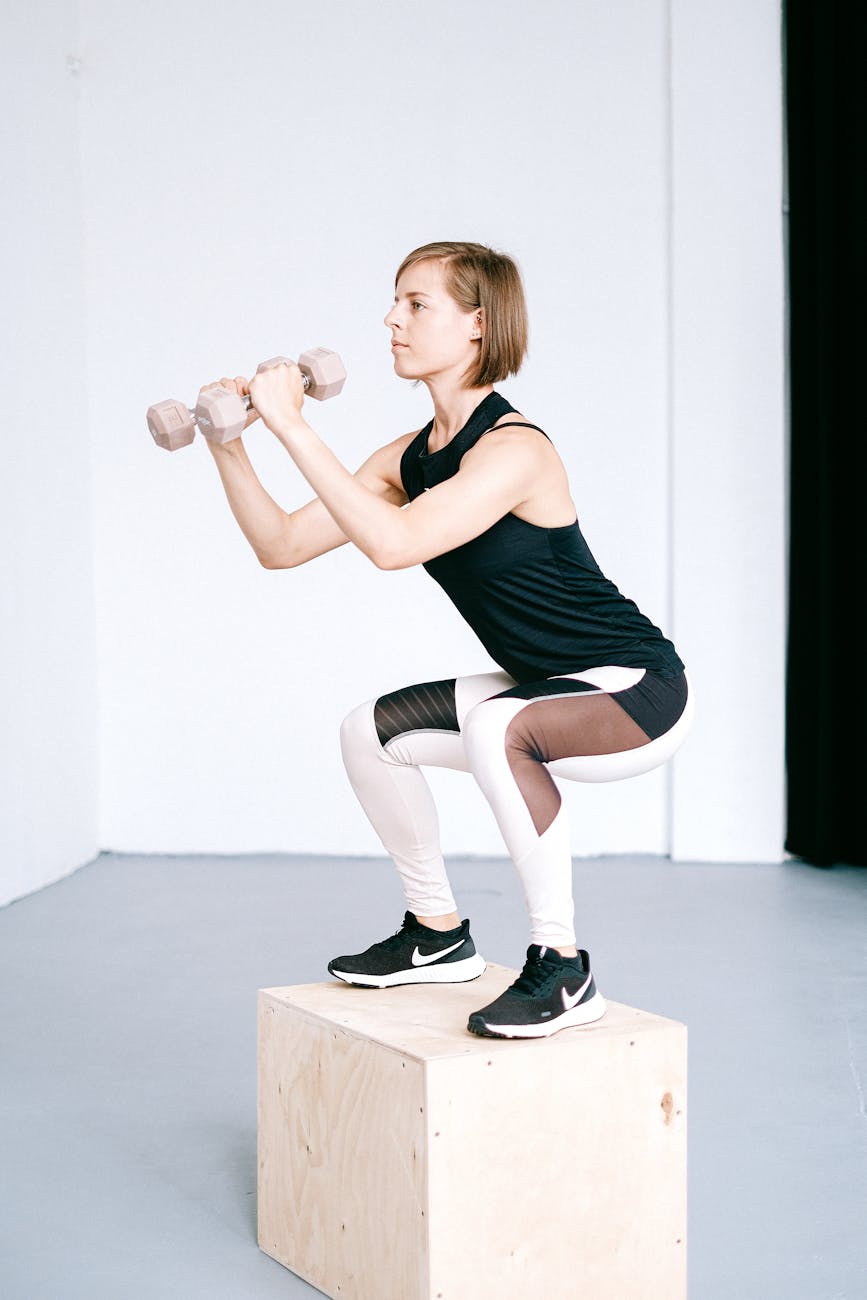
To avoid any injury during training, it is necessary to warm up the muscles, especially the muscle groups you plan to exercise. You can focus on:
- Treadmill warm-up – Ten minutes of walking or light running will increase heart rate and improve blood circulation in the muscles, making them more prepared for the exertion ahead.
- Dynamic exercises – The most common exercises to warm up the entire body. These include trunk rotations, squats (with or without weight), or lunges.
- Activation of muscles you will exercise – Focus on the muscles you will train.
For example, if you plan to train shoulder muscles, then focus on those muscles through stretching, such as elbow locks to stretch the entire arm with the shoulder or shoulder rotations, lifting very light weights just to activate the muscles.
3. Proper Exercise Technique

This is the most important thing in training because performing exercises correctly prevents potential injuries. This is especially true for large muscle groups.
Example:
For back muscles, one incorrect movement in a deadlift, one slightly curved back, can cause a serious back injury that can keep you away from training for weeks or even months.
Tip: Train in front of a mirror or ask for advice from a trainer or more experienced people around you. If you are unsure how to perform an exercise, instead of free weights (dumbbells and barbells), use machines that isolate the muscle and reduce the risk of injury.
4. Post-Training Stretching
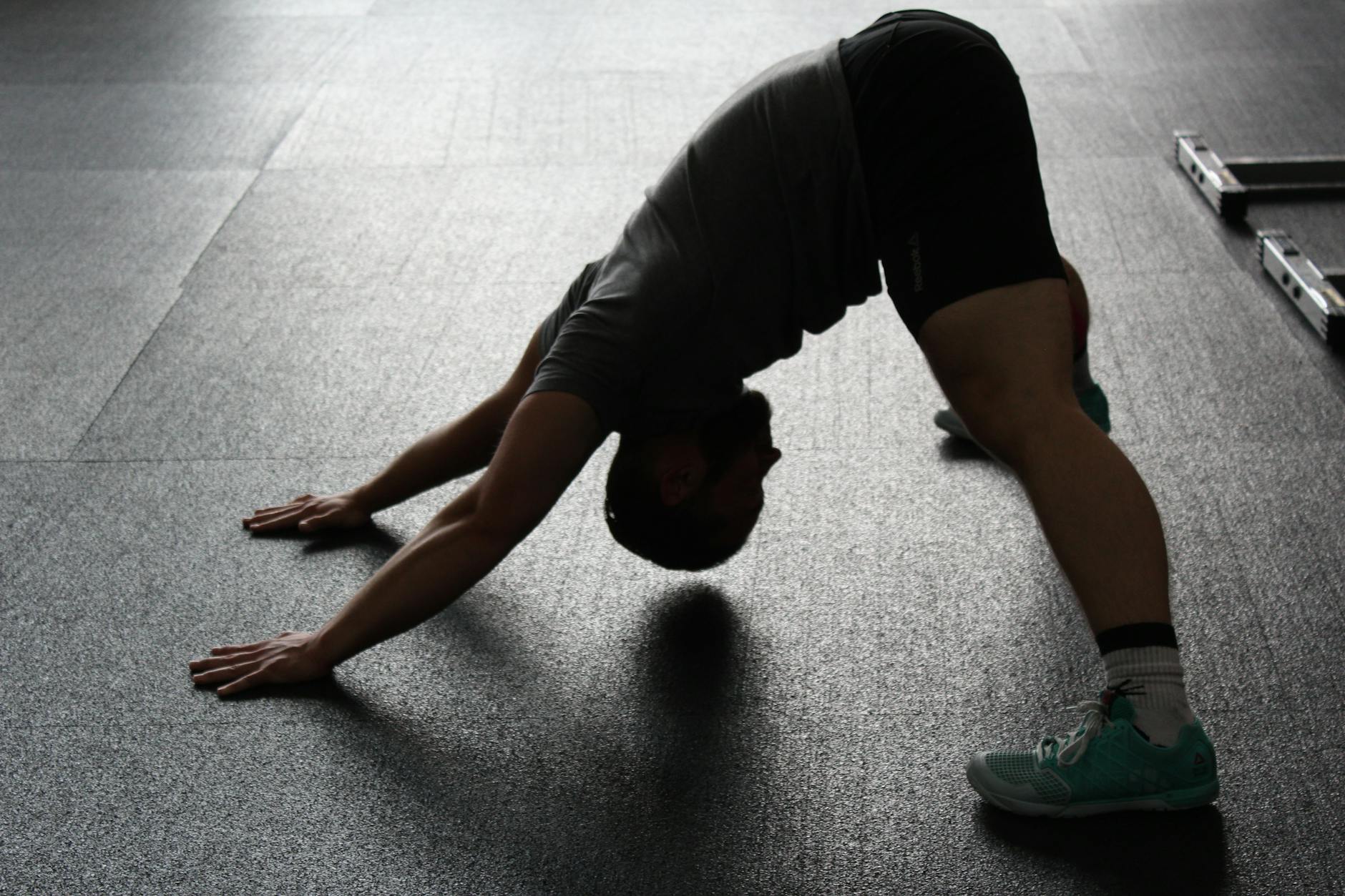
Stretching is a very neglected method for reducing muscle pain. Anyone who has ever trained knows how good muscle tension feels after a workout. However, to reduce inflammation and increase mobility, stretching plays a big role.
The type of stretching depends on the type of training that preceded it and should last at least 10-15 minutes.
5. Proper Nutrition and Hydration

– Proteins – Meat, fish, Greek yogurt help in muscle recovery and growth.
– Complex carbohydrates – Rice, potatoes, oats – restore energy after training and replenish glycogen stores.
– Healthy fats – Avocado, olive oil, nuts – reduce inflammation.
– Hydration – Water and electrolytes (magnesium, sodium, or potassium) reduce inflammation and muscle cramps.
6. Active Recovery Instead of Rest

Additional movement during the day helps keep the muscle active, which increases circulation and reduces inflammation.
Recommendation:
– 30 minutes of light walking
– Cycling
– Yoga
7. Quality Sleep

Not only for injury prevention, but also for muscle growth, sleep is essential. Adults need between 7-9 hours of sleep per night.
If you want to read more about why sleep is crucial for training, you can do so here.
8. Using Quality Supplements

These supplements can help reduce inflammation if you do not get enough from food:
– Magnesium – A mineral that prevents muscle cramps
– Omega-3 – A fatty acid that reduces inflammation
– BCAA – Amino acids used for muscle building and inflammation reduction
What Medications Can You Use If Inflammation Occurs?
You did everything correctly, but despite that, muscle pain still appears. Then you need pharmaceutical help, with medications that can assist.
For pain relief, you can use tablets or gels:
1. Cooling Gels
Gels containing essential oils that provide cooling relief at the pain site.
They usually contain camphor, menthol, or eucalyptus, which cool the inflamed area and relax muscles.
2. Ibuprofen
Works as an anti-inflammatory and painkiller.
- Tablet dose: Up to 2400 mg per day
- Gel: 5% gel, three times a day
You can read more about ibuprofen here.
3. Diclofenac (e.g., Voltaren)
Available as tablets and gel and belongs to the same group as ibuprofen.
- Tablet dose: Do not exceed 100 mg per day
- Gel: 1% or 2%, up to three times a day
4. Naproxen
Tablet dose: Up to 500 mg
Similar to ibuprofen or diclofenac but has additional antispasmodic effects.
5. Paracetamol
Painkiller but not anti-inflammatory.
Recommended for people with stomach issues or kidney problems.
- Maximum dose: 4 grams per day
Although muscle pain after training is normal, it does not have to be unbearable. With proper warm-up, gradual load increase, stretching, good nutrition, and sleep, you can significantly reduce discomfort and enable faster muscle recovery.
 The Hungry Pharmacist
Leave a comment