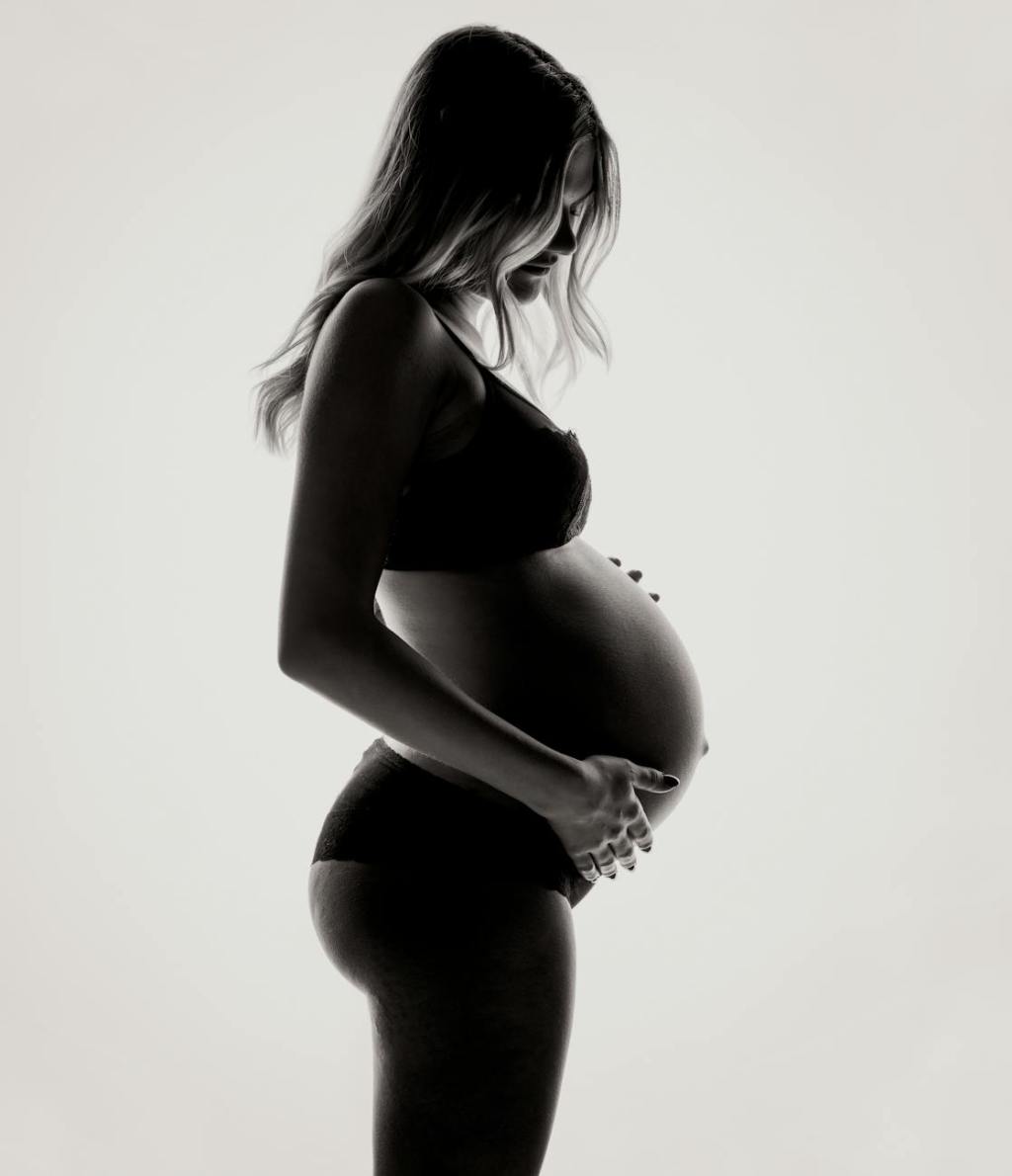
Pregnancy—the nine-month period before a woman brings a baby into the world—is not only a blessed experience for the mother and both parents but also a time full of challenges, symptoms, medical examinations, and check-ups. Nutrition, along with supplements and medications that a pregnant woman is allowed to take, plays a crucial role during this period.
It is essential to adjust the diet during pregnancy to ensure the best possible development of the fetus and to prevent malformations caused by the intake of harmful and unsuitable substances. It is also important to emphasize that pregnancy does not mean a woman should eat for two. Instead, she should follow guidelines on how to increase her body weight in a controlled manner to avoid unwanted consequences for both mother and baby.
How Much Weight Should I Gain During Pregnancy?
To determine the appropriate weight gain, it is first necessary to know your BMI (Body Mass Index). Based on BMI, the general recommendations for total pregnancy weight gain are as follows:
| BMI Before Pregnancy | Recommended Weight Gain During Pregnancy |
| Below 18 | 12.5 – 18 kg (27.5 – 40 lbs) |
| Between 18 – 24.9 | 11.5 – 16 kg (25 – 35 lbs) |
| 25 – 29.9 | 7 – 11.5 kg (15 – 25 lbs) |
| Above 30 | 5 – 9 kg (11 – 20 lbs) |
As seen in the table, the initial body weight (BMI) determines the recommended weight gain throughout pregnancy. Here are two examples:
- A woman who weighed 63 kg (138 lbs) before pregnancy and is 171 cm (5 feet 7 inches) tall has a pre-pregnancy BMI of 21.57, falling into the 18–24.9 category. By the end of pregnancy, she should weigh between 74 and 79 kg (163 – 174 lbs).
- Another woman weighing 63 kg (138 lbs) but only 155 cm (5 feet) tall has a pre-pregnancy BMI of 26.25, placing her in the above 25 BMI category. Her recommended weight gain is lower, so by the end of pregnancy, she should weigh between 70 and 74.5 kg (154 – 164 lbs).
This shows that not only weight but also height—i.e., overall BMI—plays a role in determining a healthy weight gain range.
Recommended Nutrition During Pregnancy

A balanced diet is crucial during pregnancy, ensuring an adequate intake of macronutrients (proteins, fats, and carbohydrates) and micronutrients (vitamins, minerals, fiber).
A pregnancy-friendly diet should include:
✔ Proteins, healthy fats, and complex carbohydrates
✔ At least two liters of water daily
✔ Moderate physical activity
✔ Avoidance of empty calories
Sources of Protein:
✔ Meat (chicken, skinless turkey)
✔ Fish (low in mercury, such as sardines and salmon)
✔ Eggs (fully cooked)
✔ Legumes
✔ Dairy products (yogurt, kefir, cheese)
Important Considerations:
- Poultry should be consumed without skin and well-cooked.
- Steak should be avoided if not fully cooked, as raw or pink meat increases the risk of toxoplasmosis (Toxoplasma gondii infection), which can lead to miscarriage.
- Dairy products must be pasteurized to avoid the risk of Listeria infection, which can cause miscarriage. Avoid soft cheeses like Brie and Gorgonzola.
Pasteurization is a process of heating milk to 55–70°C (131–158°F) to destroy harmful microorganisms while preserving the food’s characteristics. It is named after Louis Pasteur, the French chemist who developed the procedure.
Sources of Healthy Carbohydrates:
- Whole grains (buckwheat, quinoa, brown rice)
- Fruits and vegetables (properly washed before consumption)
Preference should be given to whole fruits and vegetables over juices and smoothies, as fiber aids digestion and prevents constipation—common in pregnancy and a potential cause of hemorrhoids.
Foods to Avoid During Pregnancy
- Raw or undercooked meat – due to the risk of toxoplasmosis
- Unpasteurized dairy and aged cheeses – due to the risk of listeriosis
- Alcohol – completely prohibited, as it crosses the placenta and can cause fetal alcohol syndrome
- High-mercury fish and seafood – mercury is toxic and can cause neurological damage to the baby
- Nicotine – significantly increases the risk of premature birth and low birth weight
- Processed sugars and sodas – lead to gestational diabetes
- Excess salt – can cause water retention and high blood pressure (preeclampsia), one of the leading causes of maternal mortality in Western countries
Nausea and Vomiting During Pregnancy
Morning sickness occurs in about 80% of pregnant women, typically in the first trimester (around the second and third month).
Tips for Managing Nausea:
- Eat small meals throughout the day instead of three large meals.
- Avoid strong smells, highly seasoned, and fried foods.
- Ginger tea is a common natural remedy.
- Vitamin B6 (pyridoxine) combined with doxylamine (an antihistamine) is often used to reduce nausea. This medicine should be prescribed from your doctor.
Untreated nausea can lead to hyperemesis gravidarum (severe vomiting), resulting in weight loss, dehydration, and fetal growth issues.
The Thalidomide Disaster:
In the 1960s, the drug thalidomide was prescribed for morning sickness, but it caused severe birth defects in 10,000 babies worldwide. It was later banned but is now used under strict conditions for treating certain cancers. The women during this treatment receive also contraception pills.
Medications During Pregnancy

Pregnant women are not immune to illnesses, but medications must be chosen carefully to avoid harm to the fetus.
Safe Medications:
- Paracetamol (acetaminophen) – for pain and fever (max. 4,000 mg/day)
- Antacids – for heartburn and nausea
- Ambroxol – for productive cough (30 mg, 3 times daily)
- Probiotics – for digestive issues
- Loratadine – for allergies (10 mg/day)
- Lactulose – for constipation
Before taking any medication, consult a doctor or pharmacist, specially in the countries where one can buy these drugs in the supermarket (f.e. Netherlands).
Recommended Supplements
1️. Folic Acid (400–600 mcg/day) – essential for neural tube development. You can find it in citruses, leaf vegetables
2️. Magnesium (300–450 mg/day) – reduces muscle cramps but may cause diarrhea initially. When the first symptoms occur, you should visit your doctor
3️. Calcium (1,000 mg/day) – crucial for baby’s bones and teeth. You can find it in milk and milk products (pasteurized).
4️. Iodine (220 mcg/day) – necessary for neural function, but check thyroid health before use
5️. Omega-3 Fatty Acids – support brain and eye development. Use 1000 mg per day
6. Iron – 27 mg per day. Essential for preventing anemia and weakness in mothers. It is abundant in spinach, meat, and legumes.
7. Vitamin D3 – 600 IU per day. The best source is sunlight or supplements.
Physical Activity During Pregnancy

During pregnancy, high-intensity training (HIIT), running, and any contact sports (martial arts, basketball, handball) should be avoided, as well as resistance training. However, physical activity is recommended to maintain fitness and endurance, strengthen back muscles, prevent excessive weight gain, and reduce the risk of diabetes.
Recommended exercises:
- Brisk walking – 30-45 minutes daily for endurance and circulation.
- Swimming – reduces joint strain.
- Prenatal yoga and Pilates – improve flexibility and reduce stress.
- Breathing and stretching exercises – preparation for childbirth.
- Light strength exercises – e.g., with resistance bands.
Conclusion
Pregnancy is undoubtedly a beautiful period for a mother, filled with many challenges. For those who already lead a relatively healthy lifestyle, it should not be too difficult, while for others, it can be an opportunity to develop better habits.
Both nutrition and physical activity have a significant impact on your baby’s development, as well as on your own health during pregnancy. A healthy diet, regular physical activity, proper supplementation, and plenty of rest are the key recommendations for a healthy and successful pregnancy
 The Hungry Pharmacist
Leave a comment