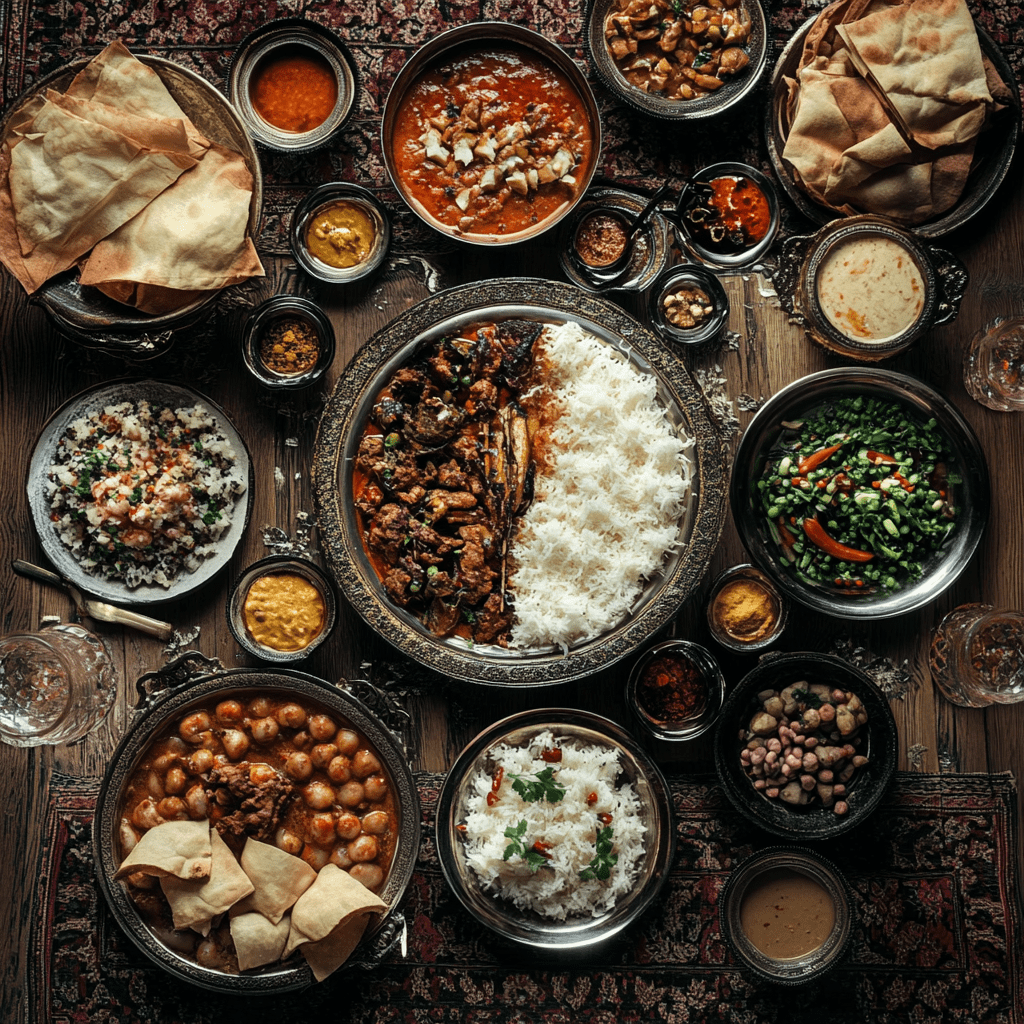
Ramadan is the holy month in the Islamic calendar when Muslims worldwide fast from dawn until sunset. This year, Ramadan starts on March 1st and ends on March 30th. During this time, nothing is allowed to enter the body—meaning no eating, drinking, smoking, or inhaling anything. Muslims must also abstain from sexual activities and avoid verbal sins such as cursing or gossiping. The purpose of fasting is to purify the body and soul and seek forgiveness for sins. This routine continues from morning to night every day for 30 days.
Fasting Hours Around the World
Since Muslims today live all over the world, fasting durations vary depending on location. The longest fasting hours are expected in Stockholm or Oslo—about 15 hours—while shorter fasts, around 11-12 hours, occur in places like Cape Town or Buenos Aires. Climate also plays a significant role, as fasting in 30°C heat in Riyadh or Cairo is very different from fasting in Moscow, where March temperatures may be around 0°C. Additionally, societal structures influence how fasting is experienced. In Islamic countries, daily life is often adjusted to accommodate fasting, with more activity happening in the evenings. In contrast, in non-Muslim-majority countries, work and social life continue as usual during the day, presenting different challenges.
The Purpose of Fasting
Fasting is present in almost all religions (especially Abrahamic ones) as a means of spiritual and physical purification. It serves as a time for self-reflection and testing the limits of body, mind, and spirit. From a health perspective, fasting has been proven to support weight loss and help regulate diabetes and hypertension. Today, fasting has gained popularity through diets such as intermittent fasting, water-based fasting, and the 36-hour fast. During fasting, the body starts using energy stored in muscle glycogen and fat cells, eventually triggering autophagy, a natural cell regeneration process. Over time, fasting can lead to weight loss and, in some cases, health improvements for chronic conditions.
However, fasting may not be suitable for everyone. Individuals with uncontrolled diabetes, kidney or liver diseases, cancer, or young children should not fast. Pregnant and breastfeeding women should consult their doctors before making a decision.
Basic Nutrition During Ramadan
The key to a healthy diet during Ramadan is to ensure enough energy and hydration throughout the day. Some foods keep you full longer, while others leave you hungry within a few hours.
Recommended foods for suhoor (pre-dawn meal):
- Proteins: Meat, fish, eggs, Greek yogurt, cheese
- Complex carbohydrates: Whole wheat bread, brown rice, oatmeal (unsweetened), buckwheat
- Vegetables: Cucumber, tomato, bell pepper, lettuce
- Healthy fats: Avocado, nuts, olive oil
- Hydration: Water, herbal teas
Recommended foods for iftar (evening meal):
- Hydration: Water, soups
- Quick energy sources: Dates, honey, fruit
- Proteins: Meat, eggs, fish
- Legumes: Beans, chickpeas
- Vegetables: Spinach, broccoli, zucchini, carrots
- Healthy fats: Avocado, nuts, olive oil
- Moderate complex carbohydrates: Potatoes, rice, lentils, couscous
Whole foods rich in proteins, healthy fats, and complex carbohydrates are the best choices for fasting. Proteins take the longest to digest and help maintain fullness, followed by healthy unsaturated fats. Complex carbohydrates found in fruits and vegetables contain fiber, which prevents blood sugar spikes and keeps energy levels stable throughout the day.
Foods to Avoid During Ramadan
- Fast food – Burgers, pizzas, and similar meals cause rapid blood sugar spikes, followed by a crash, leading to fatigue and hunger.
- Sugary and carbonated drinks – Should be limited, as they are high in sugar. However, one small portion at iftar is acceptable for quick energy recovery.
- Sweets and refined sugars – Can be consumed in moderation at iftar but should be avoided at suhoor.
- White bread, white rice, and pastries – Due to their high sugar and saturated fat content, they are not recommended for suhoor and should be consumed in small amounts at iftar.
- Coffee and black tea – Should be consumed in moderation at iftar but avoided at suhoor, as caffeine is a diuretic and can lead to dehydration.
- Excessively salty and spicy foods – Can cause dehydration throughout the day.
- Overeating at iftar – Drinking more water and eating more vegetables will help with satiety and digestion.
Maintaining stable blood sugar levels is essential during fasting. Foods high in refined sugars (such as sweets, pastries, and pasta) cause rapid energy spikes, followed by a crash, leading to fatigue, lack of concentration, and even dizziness. Choosing foods that provide steady energy release throughout the day is key to maintaining a balanced metabolism.
Hydration is especially important in hot climates. Drinking 2-3 liters of water between iftar and suhoor is recommended. Carbonated and energy drinks, as well as fruit juices, contain high sugar levels and do not effectively quench thirst. Water can be enhanced with lemon, cucumber, or herbal teas.
Physical Activity During Ramadan
High-intensity training should be reduced to conserve energy, but moderate exercise is still beneficial. Light activities like walking or cycling are recommended 60-90 minutes before iftar. A more intense workout is possible 1-2 hours after iftar. A less common option is light exercise before suhoor, but getting enough sleep remains crucial.
Since Ramadan often disrupts normal sleep patterns, it is recommended to get at least 7-8 hours of sleep—either in one stretch at night or with a nap during the day.
Supplements for Ramadan
Certain supplements can help maintain micronutrient levels and prevent symptoms like cramps, headaches, or fatigue:
- Magnesium (citrate or bisglycinate) – Prevents muscle cramps and headaches, supports better sleep, and enhances muscle function (300-400 mg daily).
- Vitamin D3 – Recommended for those spending little time outdoors (1,000 IU daily).
- Electrolytes – Help maintain hydration levels, especially with reduced water intake.
- Omega-3 fatty acids – Support heart health and improve brain function and concentration (1,000 mg daily).
- B-complex vitamins – Enhance overall energy levels.
- Probiotics and prebiotics – Aid digestion, prevent bloating, and improve nutrient absorption for prolonged satiety.
The Social Aspect of Fasting
Ramadan is not only about abstaining from food and drink; it also has a strong social component. Many families and friends gather for iftar meals, which are often lavish. Psychologically, people tend to eat more in social settings than when eating alone. In many cultures, hosts feel obliged to serve large meals, and guests feel obliged to accept, making it difficult to maintain balance. However, combining social gatherings with mindful eating can help align the health and communal aspects of Ramadan.
.Example of a Ramadan Day
Suhoor:
- Omelet (2-3 eggs) with cheese and vegetables (bell pepper, tomato, cucumber)
- 1 slice of whole wheat bread
- 5-6 almonds or walnuts
- Greek yogurt with flaxseeds
- 2-3 glasses of water or herbal tea
Afternoon nap: 1-2 hours around 4:00 PM
Iftar (first part, light start):
- 2-3 dates
- 1 glass of water
Soup (chicken or vegetable)
- Main meal
Grilled chicken or fish with vegetables
Brown rice or bulgur
Salad with olive oil
1 glass of water - After the main meal (if still hungry)
A handful of nuts
Fruit (strawberries, apple, blackberries, raspberries)
Herbal tea or water - Hydration until Suhoor: Drink water every 30-45 minutes in small sips (a total of 2-3 liters by the end of the day).
- Sleep: At least 6 hours before Suhoor.
Best Strategy for Fasting
To make fasting easier:
- Eat whole, nutrient-dense foods that keep energy levels stable.
- Drink 2-3 liters of water between iftar and suhoor.
- Avoid salty and spicy foods, sugary and energy drinks.
- Engage in moderate physical activity like walking or light cycling.
Avoid overeating during iftar—stick to two main meals and one small snack in between
 The Hungry Pharmacist
Leave a comment