
Since the beginning of human history and civilization, humans have sought cures for numerous diseases that have plagued them on their journey from African caves to offices in Madrid. People usually relied on what surrounded them and what, based on prior experience, seemed to work as a remedy or at least alleviated ailments. These were mostly plants that were cut, boiled, or applied to wounds and had proven to be effective.
In the last few decades, we have developed medicines for most diseases, from coughs and colds to certain types of cancer and AIDS. Despite this, many people remain sceptical about some of the medications we use today. The most well-known sceptics are those who oppose vaccines, such as the anti-vaccine movement. However, with much greater scepticism, we can now look back at certain substances that were once used as medicines—substances that we now know were not only ineffective but sometimes even harmful.
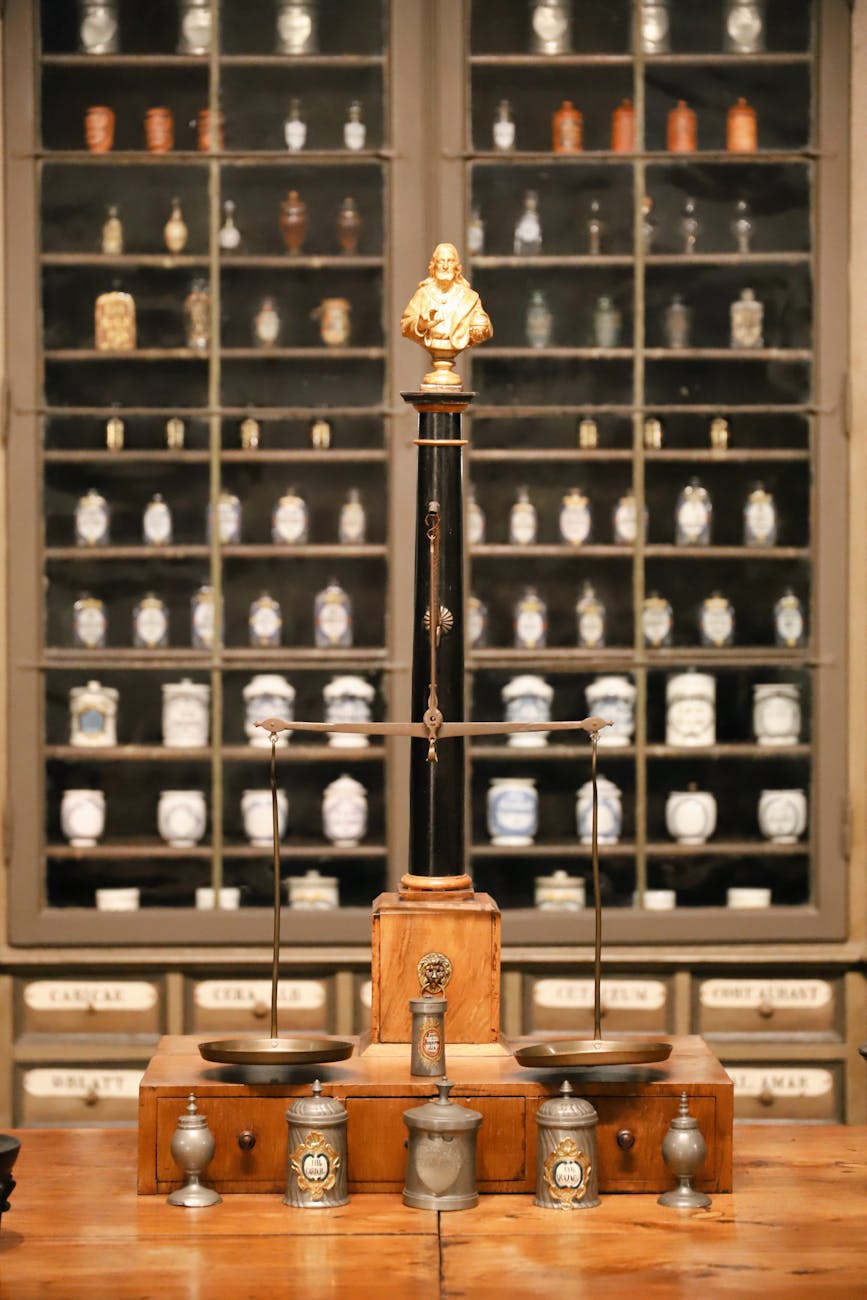
Here is a list of the most bizarre “medicines” used in the past:
- Radioactive Medicine – After the discovery of radium at the end of the 19th century, this radioactive element began to be used in medicine for various indications, such as hypertension, rheumatic diseases, and metabolic disorders. The most famous of these was a drug called Radithon, which was sold in pharmacies from 1925 to 1930. The severe side effects only gained attention when a well-known golfer of that time, Eben M. Byers, fell ill after using this medicine—his teeth began to fall out, holes appeared in his skull, and he eventually had to have his upper and parts of his lower jaw removed. He died in 1932, and his case led to restrictions on the use of radioactive elements in medicine.
- Mercury as Medicine – A poison that was believed to “cleanse the body.” Mercury had been used in traditional Chinese medicine for thousands of years, primarily as a treatment for parasites. In Western Europe, it gained popularity as a therapy for syphilis, a sexually transmitted disease characterized by skin lesions, especially in the early stages when ulcers form on the genitals. Today, we know that syphilis is caused by the bacterium Treponema pallidum and is transmitted through sexual contact. Mercury was mainly applied as an ointment, as ingesting it as an elixir caused severe side effects. We now understand that mercury is highly toxic, and its use has been largely abandoned—even in thermometers. Antibiotics are now used to treat syphilis.
- The Egyptian Medicine of the Dead – Powdered Mummies – Perhaps the most bizarre substance on this list. Mumia, as this “medicine” was called, originated from Persian texts where locals used a powder derived from rocks as a remedy. Since the local word for wax was mum, the term mumia was created. A mistranslation led Europeans to believe that this was a powder made from the embalmed remains of Egyptian pharaohs—mummies. This misunderstanding triggered bizarre events, as powdered human remains were used for ailments ranging from headaches to heart attacks and cancer. The belief in the efficacy of mumia was reinforced by the fact that, while human bodies normally decompose quickly, mummies had been preserved for thousands of years, leading people to see them as miraculous.
- Cocaine and Heroin – Medicines for Cough and Pain – Yes, the two substances we now consider illegal drugs were widely used in the late 19th and early 20th centuries for various medical applications. Until then, opium and later morphine were used for pain relief, but when cocaine and heroin were synthesized, they quickly proved to be highly effective. Cocaine was used as a local anesthetic, and Sigmund Freud recommended it as a treatment for depression and anxiety. Coca-Cola originally contained small doses of cocaine in its recipe (until it was removed in 1904). Meanwhile, heroin was successfully used to treat coughs and was even part of the pharmaceutical formulations of Bayer. At the time, morphine addiction was well known, and heroin was initially used as a treatment for it. In the TV series The Knick, the main character, a surgeon (played by Clive Owen) who is addicted to cocaine, is treated with heroin in rehab. It was quickly discovered how highly addictive these substances were, and they have not been used in medicine for most of the last century—though some synthesized, non-addictive variations are still used under highly controlled conditions as anesthetics or painkillers.
- Bloodletting – Bloodletting, or phlebotomy, was one of the oldest methods used to treat various diseases, from fevers to epilepsy and the plague. Doctors would cut veins or use leeches to drain blood, believing that excess blood in the system caused illness and that removing it would restore balance. Unfortunately, this method often did more harm than good, weakening patients and making them more susceptible to infections. One of the founding fathers of the United States, George Washington, died after a throat infection because his doctors drained a total of about 2.5 liters of his blood. Bloodletting was largely abandoned by the end of the 19th century.
Although there is skepticism about new medicines today, we can be grateful to live in an era where drugs are developed based on evidence and facts, through preclinical and clinical trials. Medicine has come a long way through various experiments and superstitions—from drinking radioactive water to consuming powdered mummies and draining blood. Fortunately, modern medicine is based on science and pays close attention to potential side effects and drug interactions.
Read also: Penicillin – How a lack of Hygiene in the Lab saved Humanity
 The Hungry Pharmacist
Leave a comment